
Key Takeaways
- June to October, the long dry season, brings the least rainfall and the most reliable wildlife viewing across the region, and is also Arusha's busiest period.
- January to February is a strong, less-discussed alternative: warm, largely dry and reliably clear for mountain views.
- March to May and November to December bring rain to Arusha, though April and May's quieter roads and lower rates suit flexible travellers.
- Arusha's weather rarely disrupts a stay of one or two nights; much of what there is to do at Arusha Coffee Lodge, from the estate's coffee tour to its spa and on-site shops and dining, works just as well under cloud as under clear skies.
- The best time to visit Arusha is during the long dry season, from June to October, when rainfall is lowest and conditions across the wider safari circuit are at their most reliable. For the clearest mountain views specifically, January and February are the stronger choice: Arusha's own sunshine-hour data shows more direct sun in these two months than during the cooler, often hazier mornings of the long dry season.
When Is the Best Time to Visit Arusha?
The best time to visit Arusha is during the long dry season, from June to October, when skies are clear and views of Kilimanjaro and Meru are at their best. January to February is a close second, offering warm, largely dry weather with excellent mountain visibility.
For most travellers, Arusha isn't the destination itself; it's the door onto Tanzania's Northern Circuit, and the place where a safari begins and ends. That makes the town more forgiving of its rainy months than a game park would be. A short stay at Arusha Coffee Lodge, whether it's one night to recover from a long-haul flight or two nights either side of a longer itinerary, tends to work well whatever the season, with a working coffee estate, a spa and a handful of easy excursions all close to hand, provided the wider circuit beyond it is timed well.
Arusha's Seasons at a Glance
Arusha follows a two-wet, two-dry season pattern typical of Northern Tanzania: a long dry season and a long rainy season, bracketed by two shorter, milder counterparts. Together, these four windows define the town's Arusha dry season and Arusha rainy season rhythms.
|
Season |
Months |
Character |
|---|---|---|
|
Long dry season |
June-October |
The longest and most reliable dry stretch of the year; July, August and September are consistently the driest months, each averaging just 9mm of rain across only two days, though also the cloudiest for direct sunshine (see the weather table below) |
|
Short dry season |
January-February |
Warm and largely dry, with sporadic short-lived showers |
|
Long rains |
March-May |
The heaviest and most sustained rainfall of the year |
|
Short rains |
November-December |
Lighter, more intermittent rainfall than the long rains, though still enough to set December apart from the drier months either side of it |
The Long Dry Season in Arusha (June-October): What to Expect

Minimal rainfall defines this stretch, with cooler, sometimes misty mornings giving way to warm, dry afternoons. It's the most reliable season for wildlife viewing in the parks beyond Arusha, as dry ground and thinning bush concentrate game near the remaining water, and it's peak season for safari departures and for Kilimanjaro and Meru climbs alike. It isn't, however, Arusha's sunniest season: the weather table below shows June to August as the cloudiest months of the year for direct sunshine, so travellers hoping for guaranteed clear mountain views from the lodge itself may do better in January or February.
It also lends itself to unhurried mornings on the estate: clear light for walking the coffee plantation on Arusha Coffee Lodge's guided Bean-to-Cup tour, and dependable roads for the half-day excursions into Arusha itself, whether that's the Tanzanite Museum, the Maasai Market or the wider city highlights tour.
It's also, unsurprisingly, Arusha's busiest period. Lodges and flights fill further in advance, and a slightly earlier booking window helps secure the room type and pacing you want, particularly around July and August. Explore rates and seasons at Arusha Coffee Lodge for a clearer sense of how demand shifts across the year.
The Short Dry Season (January-February): An Underrated Window
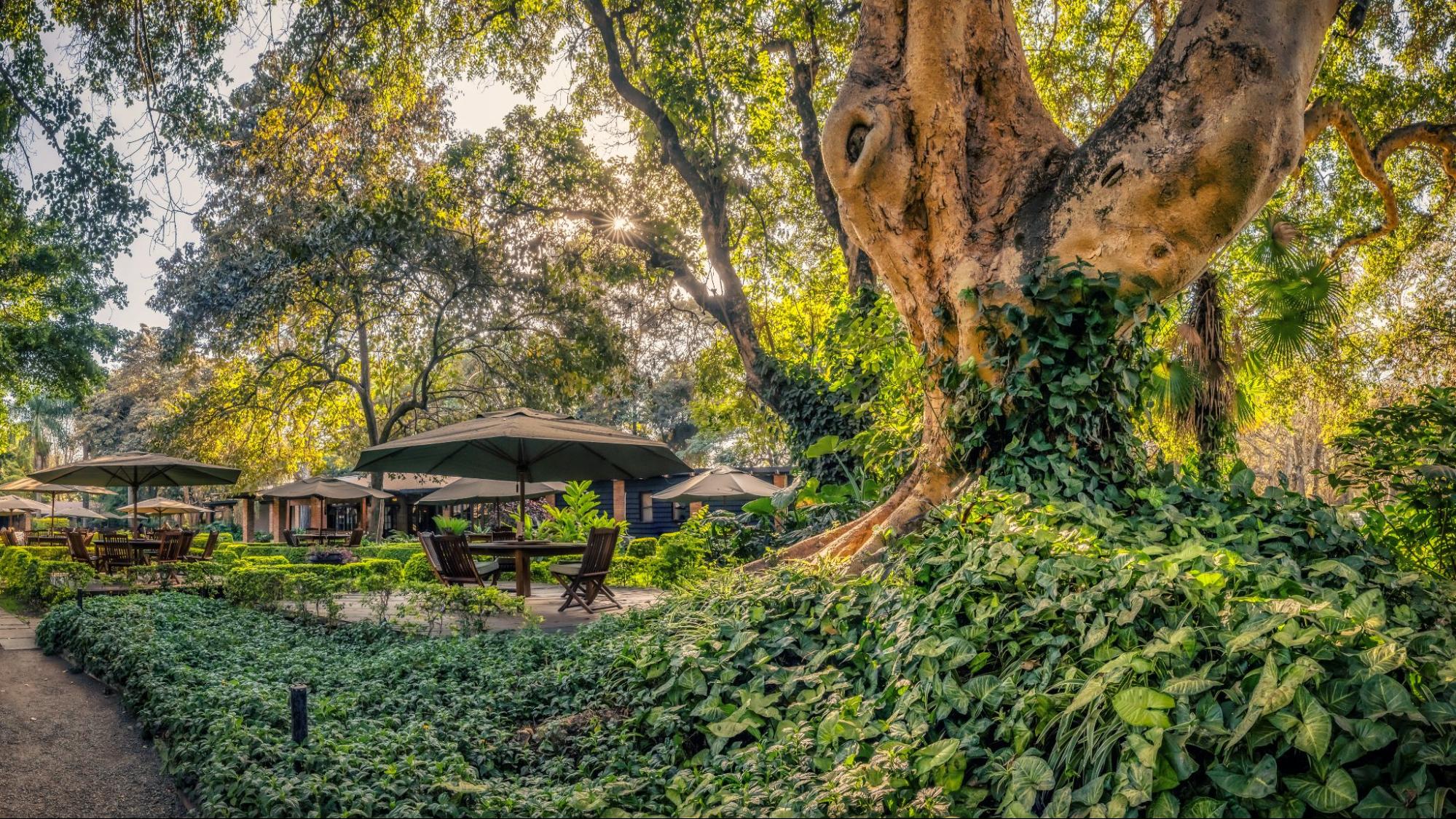
Warm days and largely dry conditions make January to February a quieter alternative to the long dry season, with only sporadic, short-lived showers to plan around. It's also the sunniest window of the year by Arusha's own weather data, with February averaging close to ten hours of sunshine a day, more than any other month, making it a strong choice for travellers who want the clearest possible mountain scenery without June to October's crowds.
The warmth suits a slower pace on the estate too: a treatment at Peaberries Spa, an unhurried browse through Traders Walk's shops, cafés and artisan experiences, or a Bean-to-Cup tour timed for the cooler part of the morning.
Because it falls outside the peak safari calendar most competitor guides focus on, this window tends to be underdiscussed. For Arusha specifically, though, the Arusha weather by month data below shows it holding its own against the long dry season on most measures that matter for a short stay.
The Rainy Seasons in Arusha (March-May and November-December): What Travellers Should Know
Rain in Arusha rarely means a washed-out day. Outside of April's peak, showers tend to arrive as short, predictable bursts in the afternoon rather than sustained downpours. Much of what Arusha Coffee Lodge offers is built to work regardless: the Bean-to-Cup coffee tour, Peaberries Spa, the Tanzanite Museum and Cultural Centre in town, and Traders Walk's five outlets (Kahawa's coffee shop, Soko's gift shop, the Tanzanite Experience boutique, Jikoni's restaurant and the Shanga workshop) all sit comfortably alongside a rainy afternoon. The trade-off for travellers willing to work around an Arusha rainy season stay is a genuinely appealing one: quieter roads, lower lodge occupancy and a noticeably greener landscape, particularly through April and May.
What to expect during the rains:
- Shorter, less predictable travel windows for the off-estate day trips, such as the visit to Arusha National Park or the day trip to Ngorongoro
- A lush landscape and strong birdlife, especially through the long rains
- Lower lodge occupancy and a quieter, more relaxed pace
- Possible cloud cover reducing mountain visibility on any given day
Arusha Weather by Month
The table below combines temperature, rainfall, rainy days and sunshine hours into a single monthly view, sourced independently of any single competitor guide.
|
Month |
Max Day Temp (°C) |
Min Night Temp (°C) |
Rainfall (mm) |
Rainy Days |
Hours of Sunshine |
|---|---|---|---|---|---|
|
January |
28.2 |
16.4 |
84 |
8 |
9.0 |
|
February |
28.8 |
16.8 |
79 |
8 |
10.0 |
|
March |
27.6 |
17.1 |
147 |
13 |
8.0 |
|
April |
24.7 |
16.8 |
158 |
17 |
6.0 |
|
May |
22.9 |
15.2 |
62 |
10 |
5.0 |
|
June |
22.1 |
13.1 |
13 |
3 |
5.0 |
|
July |
22.0 |
12.1 |
9 |
2 |
5.0 |
|
August |
23.2 |
12.9 |
9 |
2 |
5.0 |
|
September |
25.4 |
14.0 |
9 |
2 |
7.0 |
|
October |
26.6 |
15.4 |
37 |
7 |
8.0 |
|
November |
26.4 |
16.5 |
111 |
14 |
7.0 |
|
December |
26.8 |
16.5 |
119 |
14 |
8.0 |
Source: Climate-Data.org, climate normals for 1991–2021 (temperature, rainfall, rainy days) and 1999–2019 (sunshine hours), accessed 17 August 2026.
Best Time to See Mount Kilimanjaro and Mount Meru from Arusha
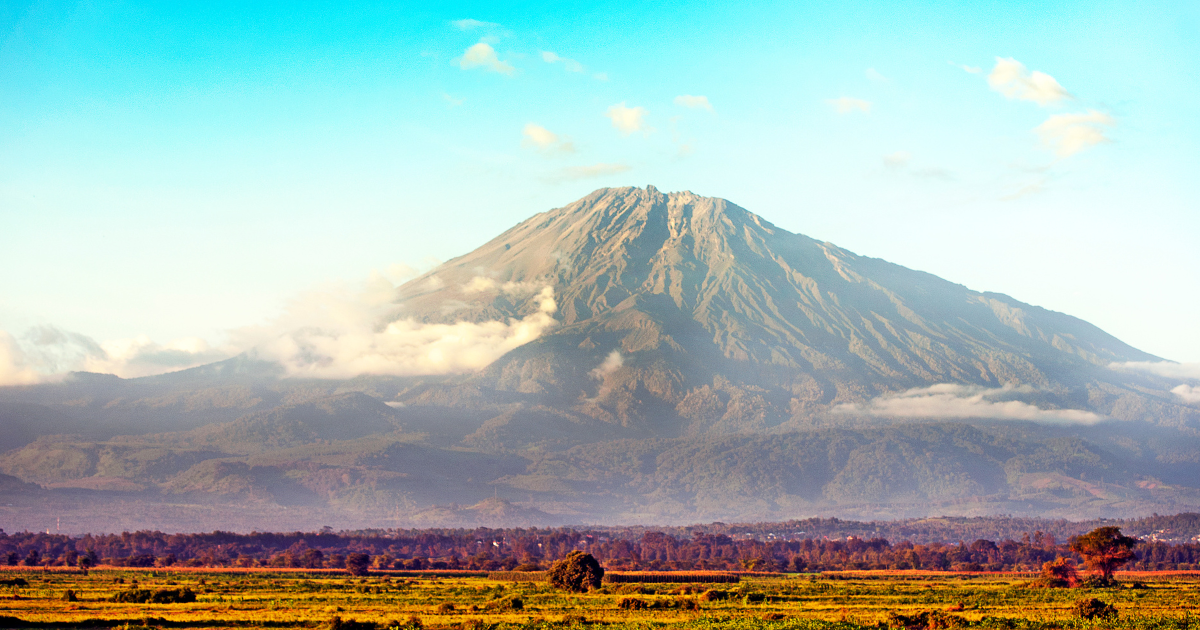
For viewing the mountains from Arusha, January and February are the clearest months: Arusha's own sunshine-hour data shows more direct sun in these two months than at any other point in the year. Early morning is the best time of day to look up whatever the month, since afternoon cloud build-up is common even in the driest weeks and can obscure both summits by midday.
Climbing conditions are a separate matter, governed by weather high on the mountain rather than sunshine hours down in Arusha. The two principal climbing windows are January to March and June to October: January to March tends to be cooler and clearer higher up, with a chance of snow at altitude, while June to October is the busier of the two, coinciding with school-holiday climbers. Neither climbing window should be read as the best window for viewing the mountain from the lodge, and vice versa; travellers hoping simply to watch the mountains clear over an early coffee are best served by January or February.
A note on climbing: this guide covers viewing conditions from Arusha, not a bookable climbing itinerary. Learn more about Arusha Coffee Lodge, and for permit and route guidance, consult Tanzania National Parks' official Kilimanjaro National Park page directly.
Does Arusha's Weather Affect Your Safari Itinerary?
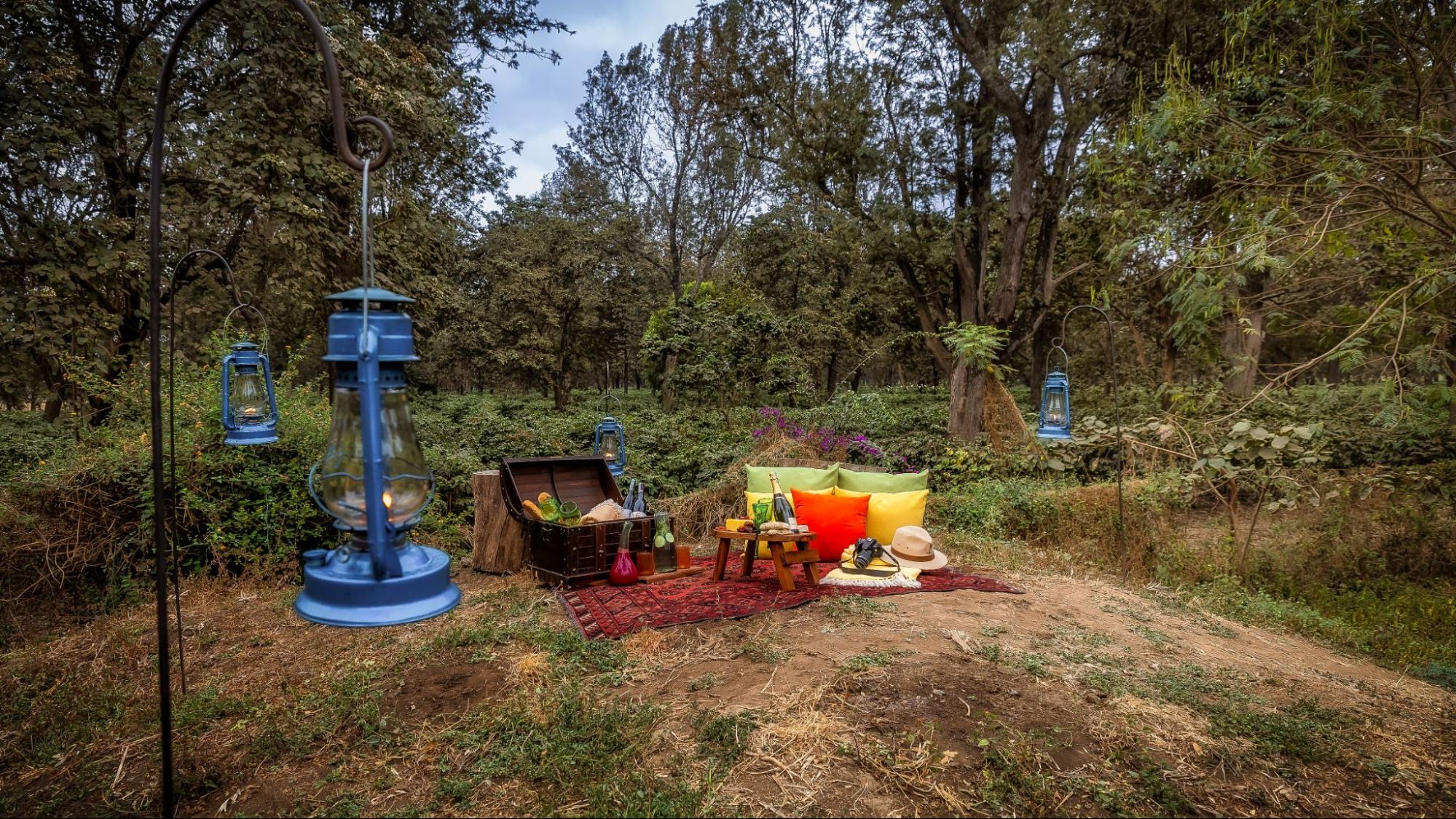
In most cases, very little, and largely depending on which of Arusha Coffee Lodge's activities are on the day's plan. On the estate itself, the Bean-to-Cup coffee tour, Peaberries Spa and Traders Walk's shops and restaurants (Kahawa, Soko, the Tanzanite Experience, Jikoni and the Shanga workshop) run comfortably in any weather. It's the off-estate half- and full-day trips that benefit most from a dry morning: the city highlights tour, the Tanzanite Museum, the Maasai Market and the Cultural Centre are all close by, while Arusha National Park (around 60 to 90 minutes each way) and the Ngorongoro Crater (roughly 180km, about three hours each way) both call for a longer day and are worth pencilling in for whichever days look clearest.
That distinction matters more than it might seem. The best time to visit Tanzania overall is shaped by the Serengeti, Ngorongoro and Tarangire, and by where the migration happens to be; because most travellers spend only one or two nights here, Arusha's weather has less impact on an itinerary than conditions in the parks themselves. Which, weather aside, it almost always is. It's also worth separating the town from Arusha National Park itself; the best time to visit Arusha National Park follows the same broad dry-season logic, but for a different reason, covered in the FAQ below.
Once your circuit is set, explore Arusha Coffee Lodge's activities to see how a night or two here fits around it.
High Season vs Low Season in Arusha: Crowds and Rates

High season in Arusha broadly spans June to October on weather alone, and December to February on demand, since Christmas and New Year travel keeps lodges busy even through December's short rains. Low season falls broadly across March to May, when the long rains thin out both roads and lodge occupancy.
Rather than think in terms of price alone, it's worth weighing what each window trades off. High season means busier lodges and a longer booking lead time in exchange for the most reliable weather and wildlife viewing; low season means quieter properties, more flexible availability and easier access to popular estate experiences like the coffee tour or a same-day spa booking, in exchange for a genuine chance of rain disrupting an off-estate day's plans.
Frequently Asked Questions About the Best Time to Visit Arusha
What is the best month to visit Arusha?
July, August and September are Arusha's driest months, each averaging just 9mm of rain across only two days, all sitting within the broader June to October dry season that offers the most reliable weather and wildlife viewing across Northern Tanzania. January to February is a strong secondary option, particularly for travellers prioritising clear Kilimanjaro and Meru views over peak-season availability.
Is Arusha worth visiting outside the dry season?
Yes. Much of what a stay at Arusha Coffee Lodge involves isn't weather-dependent: the Bean-to-Cup coffee tour, Peaberries Spa, and Traders Walk's shops and dining all work as well on a rainy afternoon as a clear one, as do the Tanzanite Museum, Maasai Market and Cultural Centre in town. The wet season brings its own upside too, in lusher scenery and stronger birdlife. Because Arusha is typically a one- to two-night stopover rather than the main event of a Tanzania trip, a rainy day here has far less impact on the overall journey than rain during the main safari.
Does it rain every day in Arusha during the wet season?
No. Even April, the wettest month, averages around 17 rainy days out of 30, meaning close to half the month still stays dry, and the quieter wet-season months of November, December, March and May see notably fewer rainy days still. It's also worth distinguishing the two rainy windows: the long rains (March-May) are heavier and more sustained, while the short rains (November-December) are lighter and more intermittent.
What is the best time to see Mount Kilimanjaro from Arusha?
For viewing from Arusha, January and February are the clearest months, based on Arusha's own sunshine-hour data, and early morning is the best time to look up whatever the month, since afternoon cloud is common even in the dry season. Climbing conditions are separate: the principal windows are January to March, when it's cooler and clearer higher up the mountain (with a chance of snow at altitude), and June to October, which is busier thanks to school-holiday climbers. If your goal is to see the mountain from Arusha rather than climb it, prioritise January and February and look up first thing in the morning.
How many days should I spend in Arusha before or after a safari?
One to two nights is generally enough: sufficient time to recover from international travel, be briefed ahead of your safari, or decompress and shop for curios afterwards, without adding unnecessary time away from the main safari circuit. It's also enough time to fit in the coffee estate's own Bean-to-Cup tour, a Peaberries Spa treatment or a browse through Traders Walk, alongside one off-estate excursion: Arusha National Park is a comfortable half-day at around 60 to 90 minutes each way, while the Ngorongoro day trip is a longer full day given its roughly three-hour drive each way, best started early. Explore Arusha Coffee Lodge's own activities before or after the parks.
Is Arusha National Park's best time to visit the same as the town's?
Broadly, but not for the same reasons. Both the town and the national park share the same June to October peak, but for different reasons: the park's best months are driven by wildlife concentrating around water sources as the bush thins out, while the town's best time to visit arusha national park adjacent Arusha itself is really about comfort and easy travel through the driest, most reliable weeks of the year, rather than game viewing or even mountain visibility, which is at its clearest a little later, in January and February.
Planning Your Arusha Stay with Elewana Collection
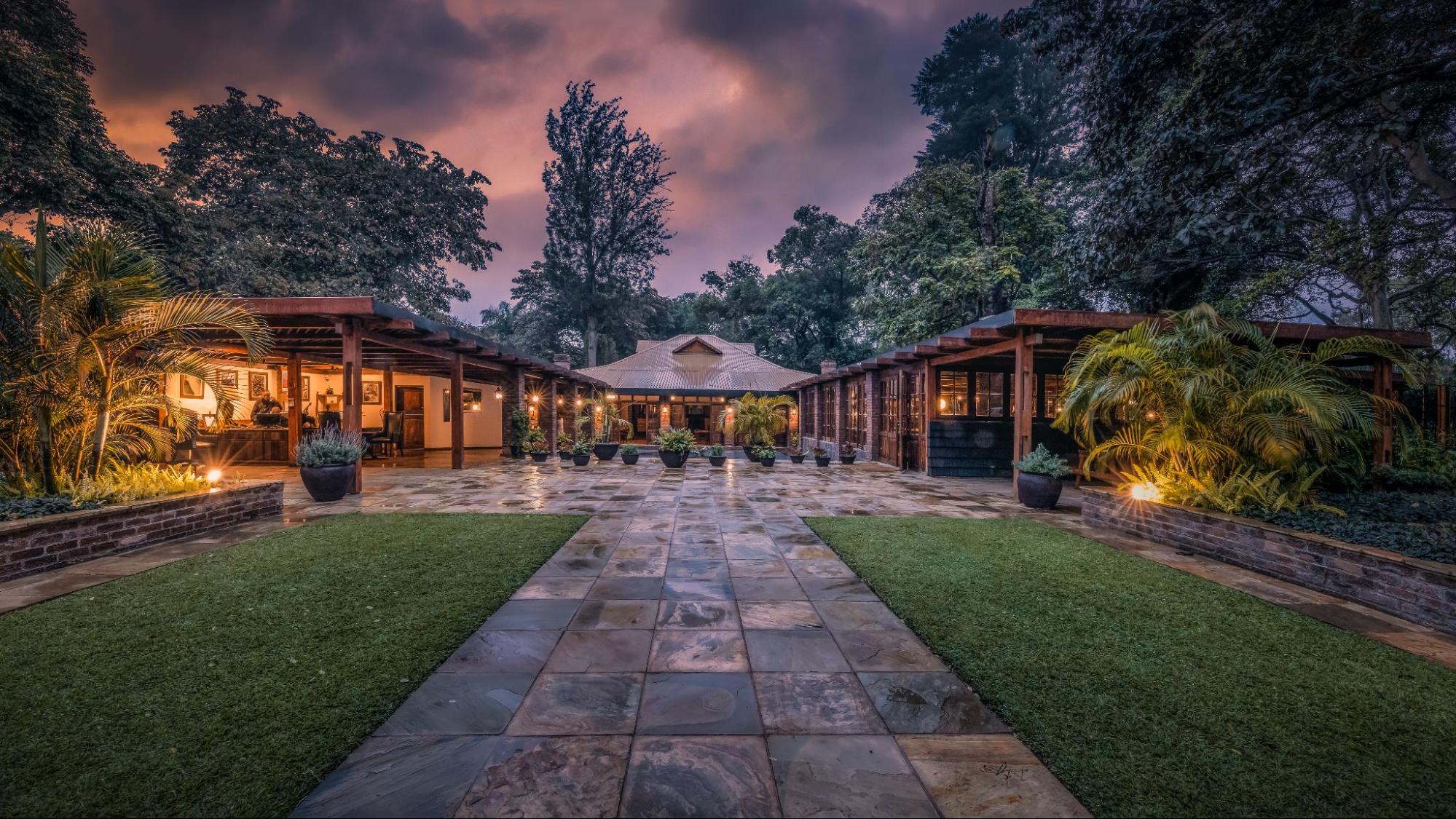
Arusha rewards travellers who treat it as the calm bookend to a wider Northern Tanzania safari itinerary rather than a destination to time in isolation. The long dry season from June to October remains the safest bet for reliable, dry conditions across the wider circuit; January to February is the genuinely strong choice for the clearest mountain views, and even the rainy months rarely disrupt a short stay built around Arusha Coffee Lodge's own coffee tour, spa and on-site shops and dining, alongside the town's cultural sites and markets.
Once your dates are set around the parks that matter most to you, whether that's Tarangire Treetops, The Manor at Ngorongoro or Serengeti Migration Camp, Arusha Coffee Lodge slots in as the natural start and finish. Get in touch with our reservations team to begin planning your Northern Tanzania journey.
