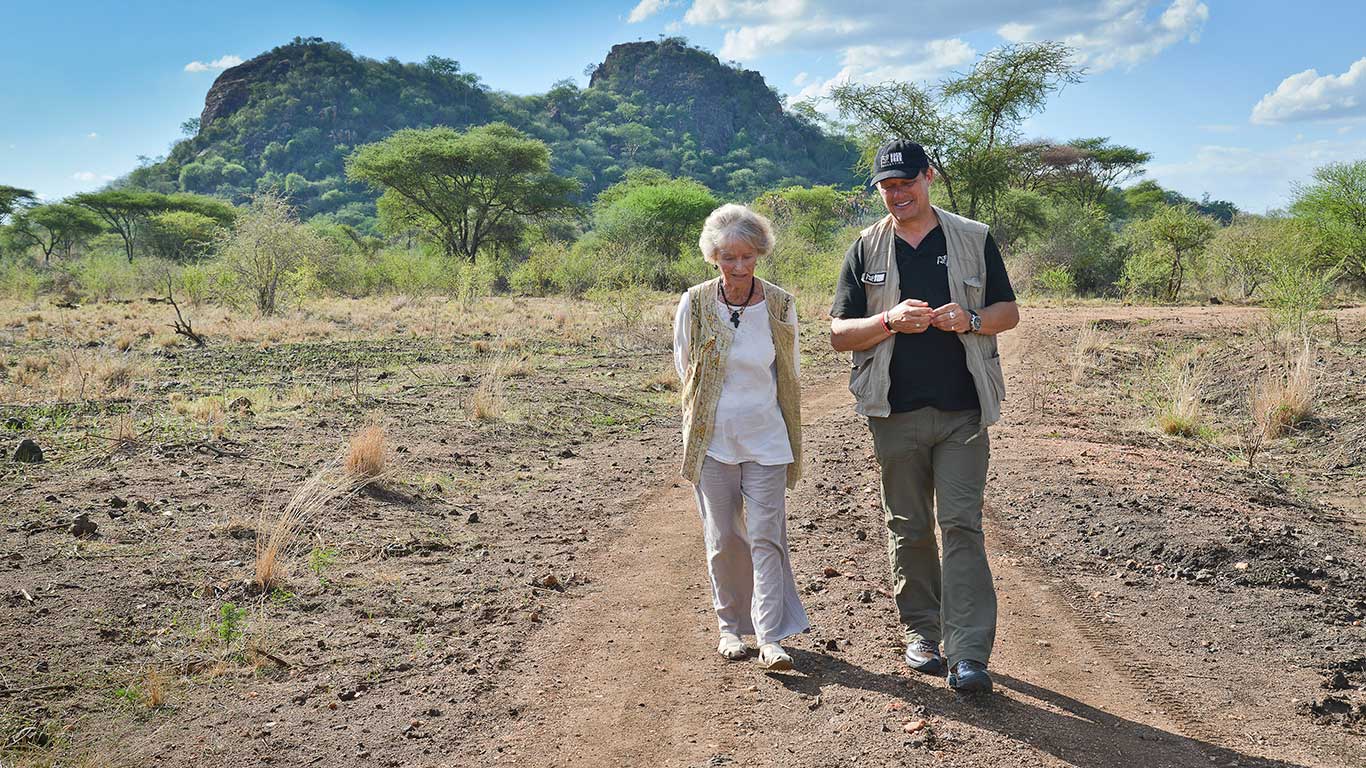
Virginia McKenna and Will Travers Kenya 2014 © Land Rover
Do you remember the filming of Born Free 60 years ago and did you spend much time on set in Meru?
Virginia: It is burned in my memory forever. It was an experience that changed Bill’s and my life. However, although the true story of Elsa unfolded in Meru, the film was made near Nanyuki on the north-western side of Mount Kenya. I did visit Meru with Joy Adamson after filming. It was a few days I will treasure.
Will: I was a small child when the film was made but I was with my mum and dad, Virginia and Bill, throughout the 10 months of our great, life-changing adventure. I was not allowed on set since small people and lions do not mix!
Is there any particular stand out memory from the filming?
Virginia: Yes, walking with Bill and the lions in the early morning, before filming began. And I will never forget swimming with a lioness in the Indian Ocean!
Will: Although I did not meet the lions, I was well aware of what was going on. I did get to meet Joy Adamson (the one and only time) and her husband George who became a close family friend and who I visited several times in his remote camp right up until his murder in 1989. I also recall when, in the course of a boisterous ‘game’ one of the young (but substantial) lions broke my mum’s leg. Funnily enough, we were never scared. I think that was when we started to understand that lions are like people, each with their own personalities, likes and dislikes.
How has the film shaped your life and subsequent work you do with the Born Free Foundation?
Virginia: Under the mentorship of George Adamson, our dear friend, we became passionate about wild animals, their welfare and their survival. The death of a young female African elephant, Pole Pole, at the London Zoo in 1983, was the final straw. Born Free has been going strong ever since, thanks to our wonderful teams, led by our eldest son, Will, one of the co-founders.
Will: The film was the start of the journey - a journey that will not end. I was hugely fortunate to be one of the co-founders of Born Free and I have had the privilege of helping steer and lead the organisation from its inception in 1984. No two days are the same. The positives always outweigh the negatives and the one lesson I have learned is ‘never give up’. Because of that, there are no captive dolphins being exploited for entertainment in the UK. There are no wild animals in circuses. There is no UK commercial ivory trade. One day we will end trophy hunting imports. Relentless determination is the key.
You have stayed at Elsa’s Kopje a number of times, what do you love most about the lodge?
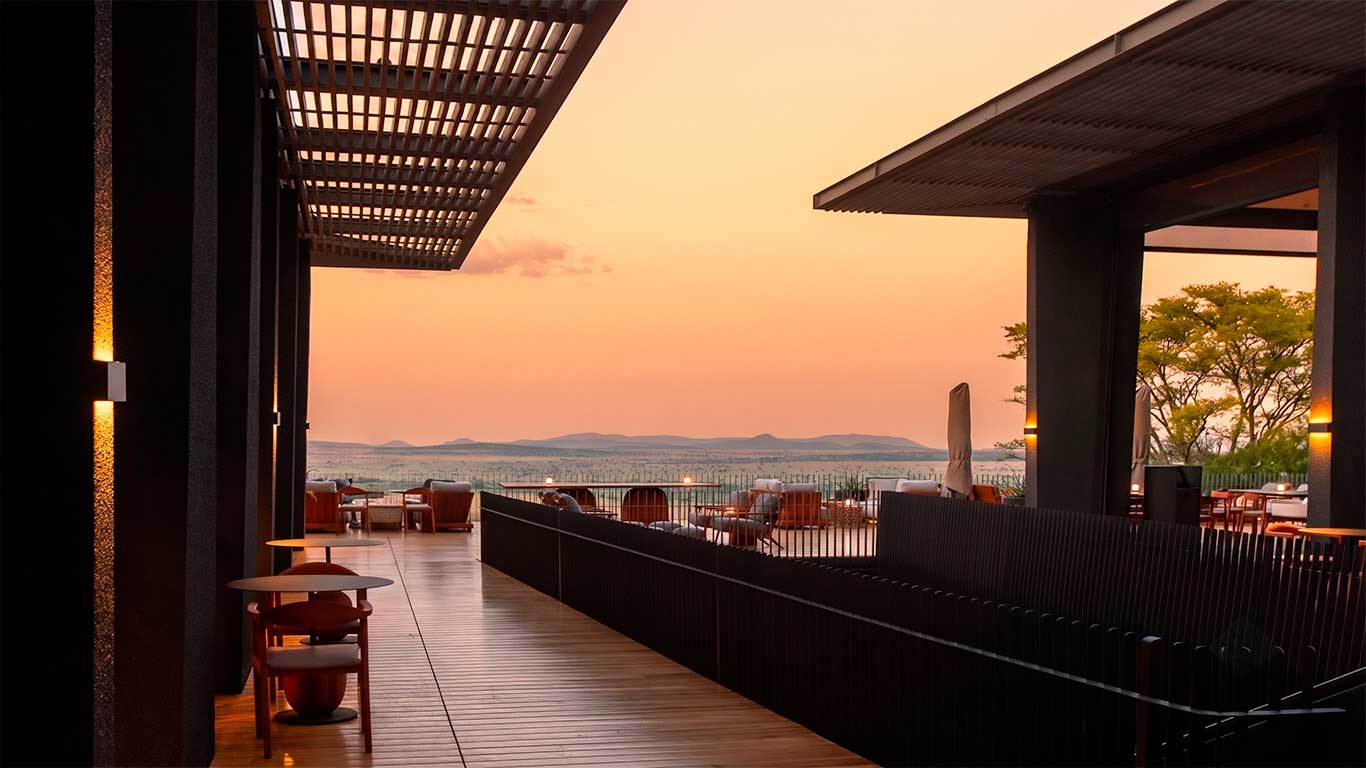
Virginia: The warmth and friendliness of Elsa’s team. The views across the Park. The stillness. The sense of being at one with nature.
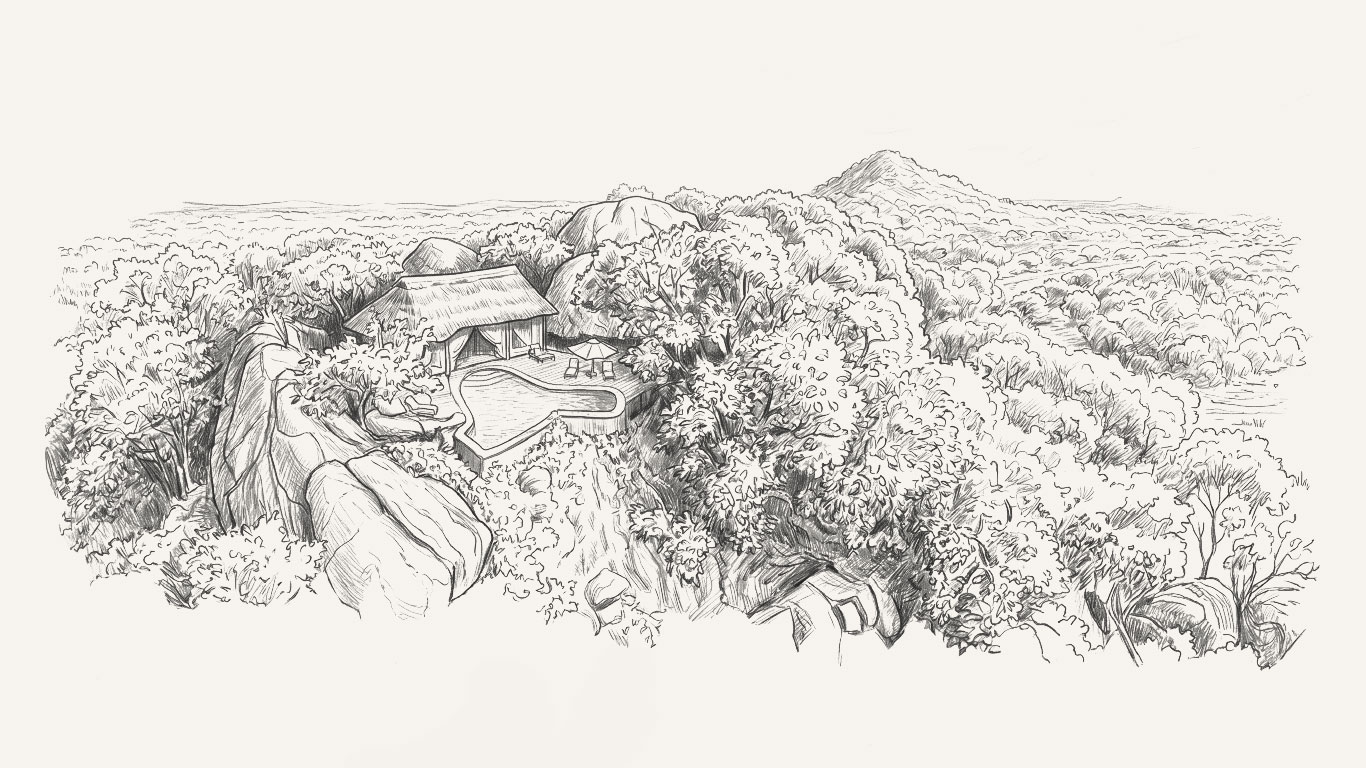
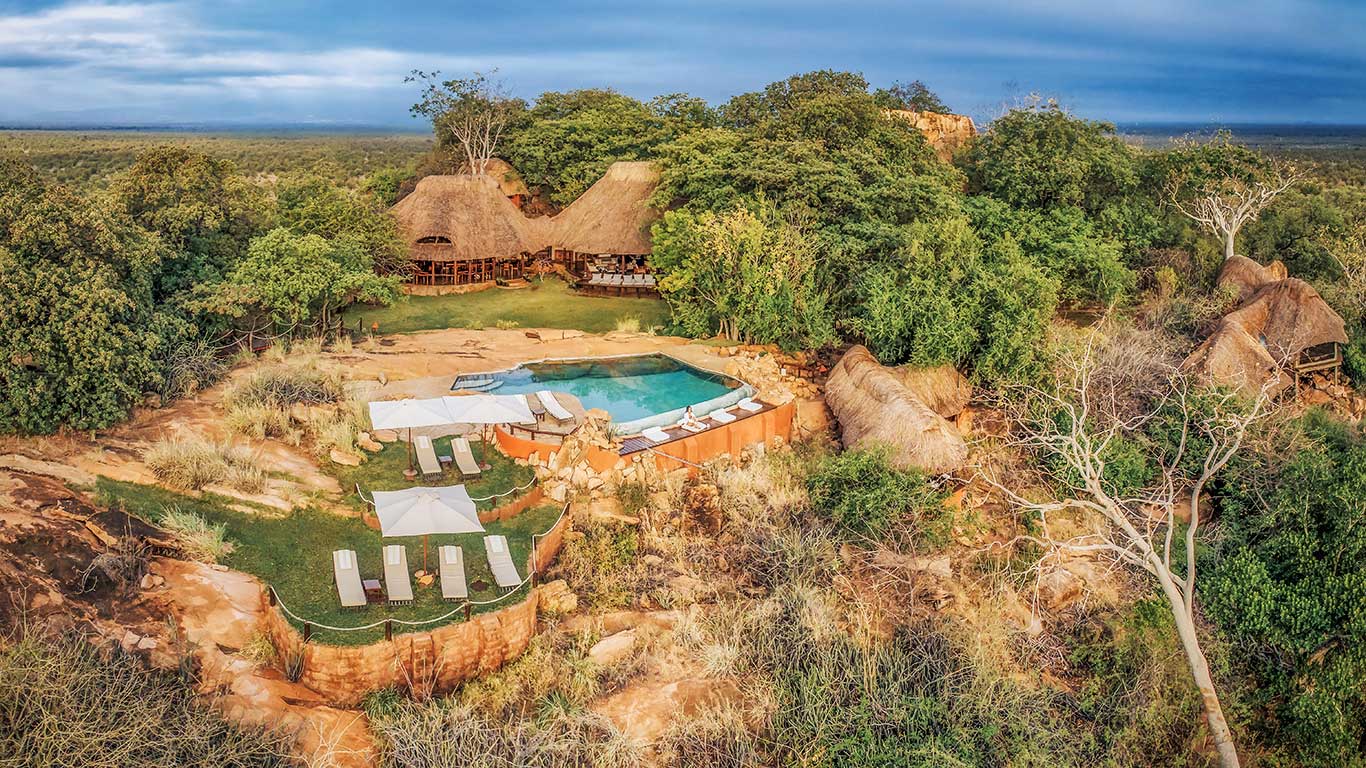
Will: Elsa’s doesn’t feel like a lodge. It feels like a home. The hyrax in the trees. The glimpse of the leopard on the bridge (yes, I have seen it). The way each built structure blends seamlessly and harmoniously into the landscape. The wonderful Elewana team who run Elsa’s and allow us to share precious moments - and their commitment to the park, its wild animals, and the communities who live nearby.
How has Meru National Park changed over the years that you have been visiting?
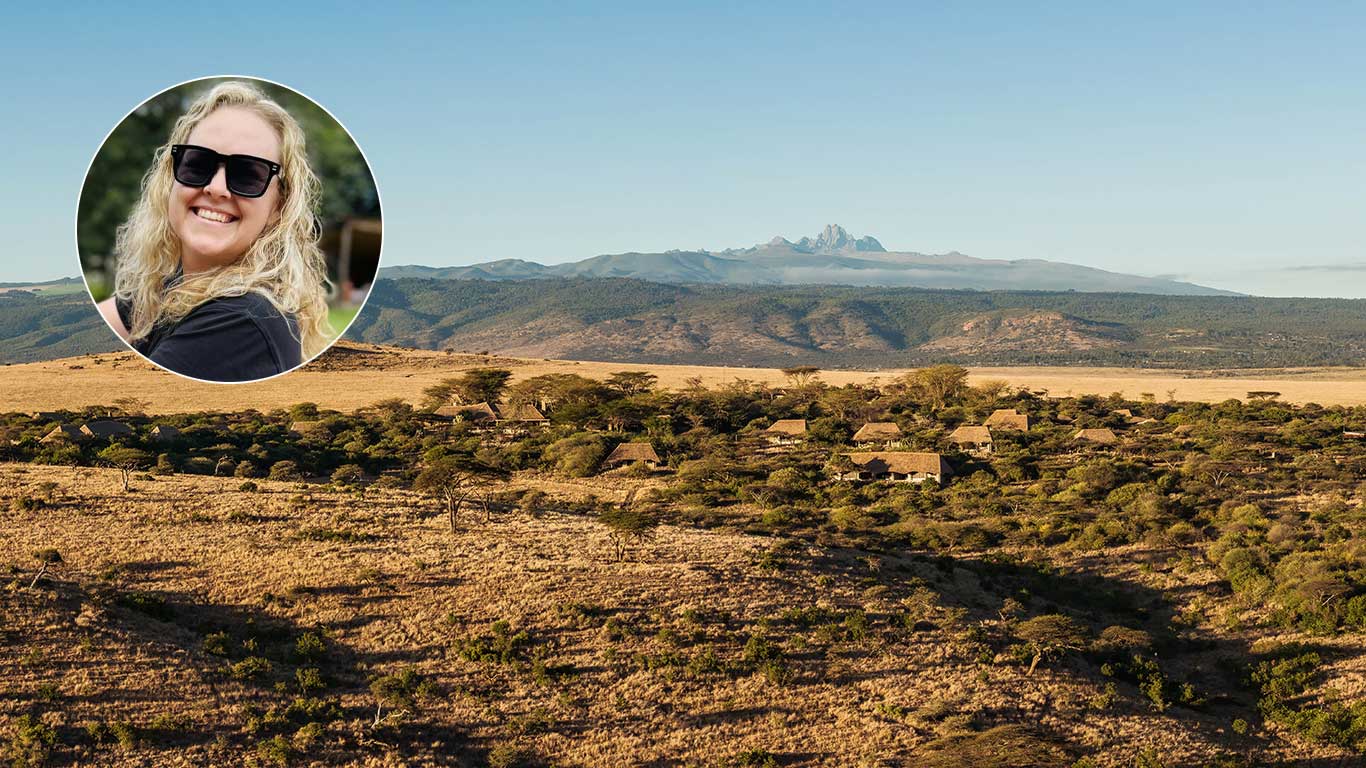
Virginia: The beauty is that it has not really changed. It is still a remote wilderness that a few incredibly lucky travellers journey to experience – and Elsa’s Kopje is at its heart.
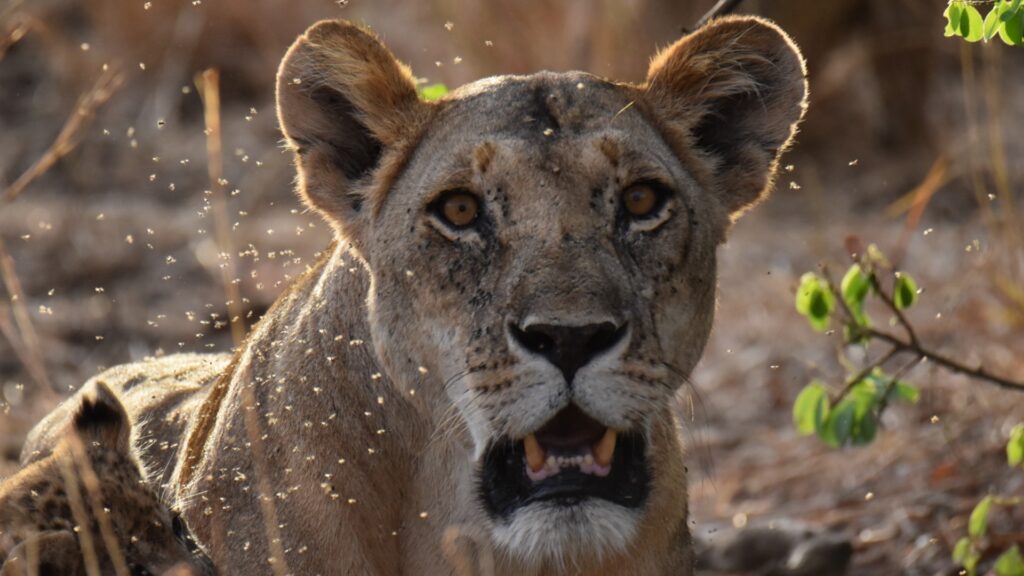
Will: As Virginia says, the magic of Meru is that it has changed so little over the years. It is still a wilderness. You have to work a little harder to see the wildlife, and it is all the more rewarding for that. The birdlife, the huge buffalo herd, the elephants, the giraffe, the lions. And at the far corner, Elsa’s Grave, a place I make a personal pilgrimage to as often as I can.
Can you tell us a little about the projects the Born Free foundation is currently working on in Meru National Park?
Virginia: Working alongside our friends at the Kenya Wildlife Service, Born Free helps protect lions, giraffe, elephants, and rhino. We monitor the wild populations and run de-snaring patrols. We also support local communities to reduce conflict with wildlife outside the Park, as well as support education and community engagement. We help protect livestock and encourage small, wildlife-friendly micro-businesses. Born Free and Elewana are doing what we can to keep Meru safe and ensure Elsa’s spirit is shining bright for generations to come.
Will: Meru National Park is at the heart of the Meru Conservation Area, at nearly 7,000 square kilometres, the second largest protected landscape in Kenya. Some people say that Kenya is no longer the wild place it used to be. I disagree! You want wild Africa - come to Meru. And if you would like to help our wonderful Born Free team keep it that way, contact us and support our vital work. Meru - its animals, its people, its natural habitat - are worth protecting. It is the beating heart of Born Free.
To find out more about Born Free’s important work in Kenya and around the globe and to support the organisation’s mission for a better world for wild animals visit bornfree.org.uk