
Key Takeaways
- The best time to visit Kenya for wildlife viewing is during the dry season, June to October, when game concentrates around water and the Masai Mara wildebeest migration reaches its peak.
- January and February bring a second, shorter dry spell, excellent for safari, with a more intimate, unhurried pace than the July to October window.
- The green season (November to May) brings lower rates, newborn wildlife and lush scenery, though a small number of camps in higher-rainfall areas may pause operations.
- Timing varies by region: Amboseli, the Masai Mara, the Laikipia Plateau and Meru National Park each have their own rhythm worth planning around
- Combining Kenya with Tanzania on a single circuit allows travellers to follow the migration for longer and extend the ideal safari window.
When Should You Visit Kenya?
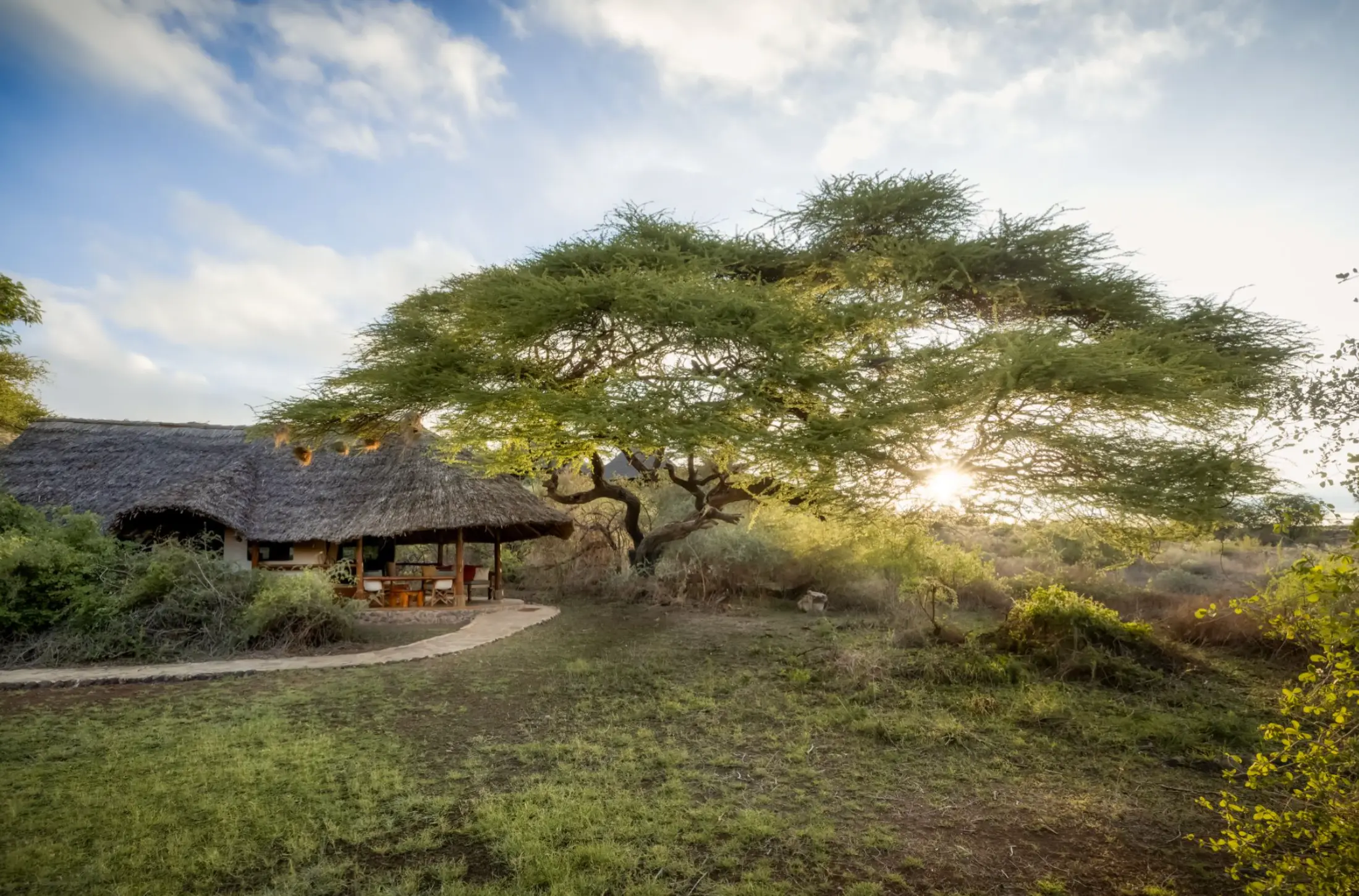
The best time to visit Kenya is during the dry season, from June to October, when wildlife gathers around rivers and waterholes and the Masai Mara wildebeest migration is at its height. A second, quieter dry spell in January and February offers much the same clear skies and strong game viewing, with a gentler pace than the mid-year peak. Beyond these broad windows, the right time to travel depends on where in Kenya you're headed and what you most want to see: a circuit through Amboseli, the Masai Mara and the Laikipia Plateau rewards a slightly different itinerary than a single-camp stay in one region. The sections below break this down by season, by month and by destination.
Kenya's Seasons at a Glance: Dry Season vs Green Season
Kenya's climate is shaped by two broad patterns: a long dry season from June to October, and a green season split between short November showers and the more sustained long rains from March to May. Each brings its own character to a safari, and neither is a compromise: dry season delivers concentrated game viewing, while the green season offers newborn wildlife, dramatic skies and a quieter, more personal pace.
|
Season |
Months |
Weather |
Game Viewing |
Best For |
|---|---|---|---|---|
|
Dry Season |
June – October |
Little to no rainfall; cool mornings and evenings |
Peak game viewing; wildlife concentrates around water and the Masai Mara migration is in full swing |
First-time safari-goers; anyone prioritising wildlife sightings |
|
Short Dry Spell |
January – February |
Hot and dry, between the two rainy seasons |
Excellent visibility, with a quieter, more personal pace than the June to October window |
Travellers wanting dry-season conditions with more space to themselves |
|
Green Season |
November, March – May |
Short afternoon showers in November; heavier, more sustained rain March to May |
Lush scenery, newborn wildlife and migratory birds present November to April |
Photographers and travellers prioritising lower rates and a quieter camp experience |
Kenya Month by Month
January is warm and largely dry, sitting within the short dry spell between the rains. Game viewing is strong and the month pairs well with a coastal extension. Given its popularity, camps should be booked well ahead.
February is the hottest and driest month of the short dry spell, delivering excellent game drives and strong predator sightings, a compelling alternative to the busier July to October window.
March marks the start of the long rains. Skies turn dramatic, rates ease and parks feel quieter, though thickening vegetation can make some sightings a touch more work.
April brings the peak of the long rains and the wettest weather of the year. Rates fall further at many camps, and the landscape turns at its most lush and green.
May sees the rains ease as the month goes on, bringing excellent value, newborn wildlife and some of the best birdwatching of the year.
June marks the start of the dry season. Game viewing improves quickly as animals gather at water sources, with comfortable daytime temperatures for game drives.
July brings the beginning of high season, as the wildebeest migration starts arriving in the Masai Mara. Days are dry and sunny, and demand for camps rises accordingly.
August is the peak migration month, with dramatic Mara River crossings drawing travellers from around the world. This is one of the busiest and most sought-after months to visit, so early booking matters.
September sees the migration remain in the Masai Mara, with dry conditions, fewer mosquitoes than earlier months, and consistently excellent wildlife viewing.
October brings the start of the migration's move back towards Tanzania. Game viewing remains excellent and the short rains have yet to arrive.
November sees the short rains begin, typically as brief afternoon showers. Parks feel quieter, migratory birds arrive, and rates begin to soften.
December sees the short rains ease by mid-month, making it a strong all-round month for wildlife viewing, with festive-season visitors returning towards the end.
Best Time to Visit Kenya for the Wildebeest Migration
The wildebeest migration reaches the Masai Mara from around July through October, when over a million wildebeest, alongside hundreds of thousands of zebra and gazelle, cross from Tanzania's Serengeti in search of fresh grazing. The dramatic Mara River crossings typically peak in August and September, as the herds funnel across the river's crocodile-filled waters under the watch of lion, cheetah and hyena. This window drives Kenya's high season, with camps across the Mara filling quickly and prices rising to match demand.
Location matters as much as timing here. Elewana Sand River Masai Mara sits on the border with Tanzania's Serengeti, close to the river crossings and the resident big cats that follow them, while Elewana Elephant Pepper Camp is set within the Mara North Conservancy, offering a more exclusive vantage point away from the busiest reserve roads during peak crossing weeks.
Best Time to Visit Kenya's Top Safari Regions
Masai Mara
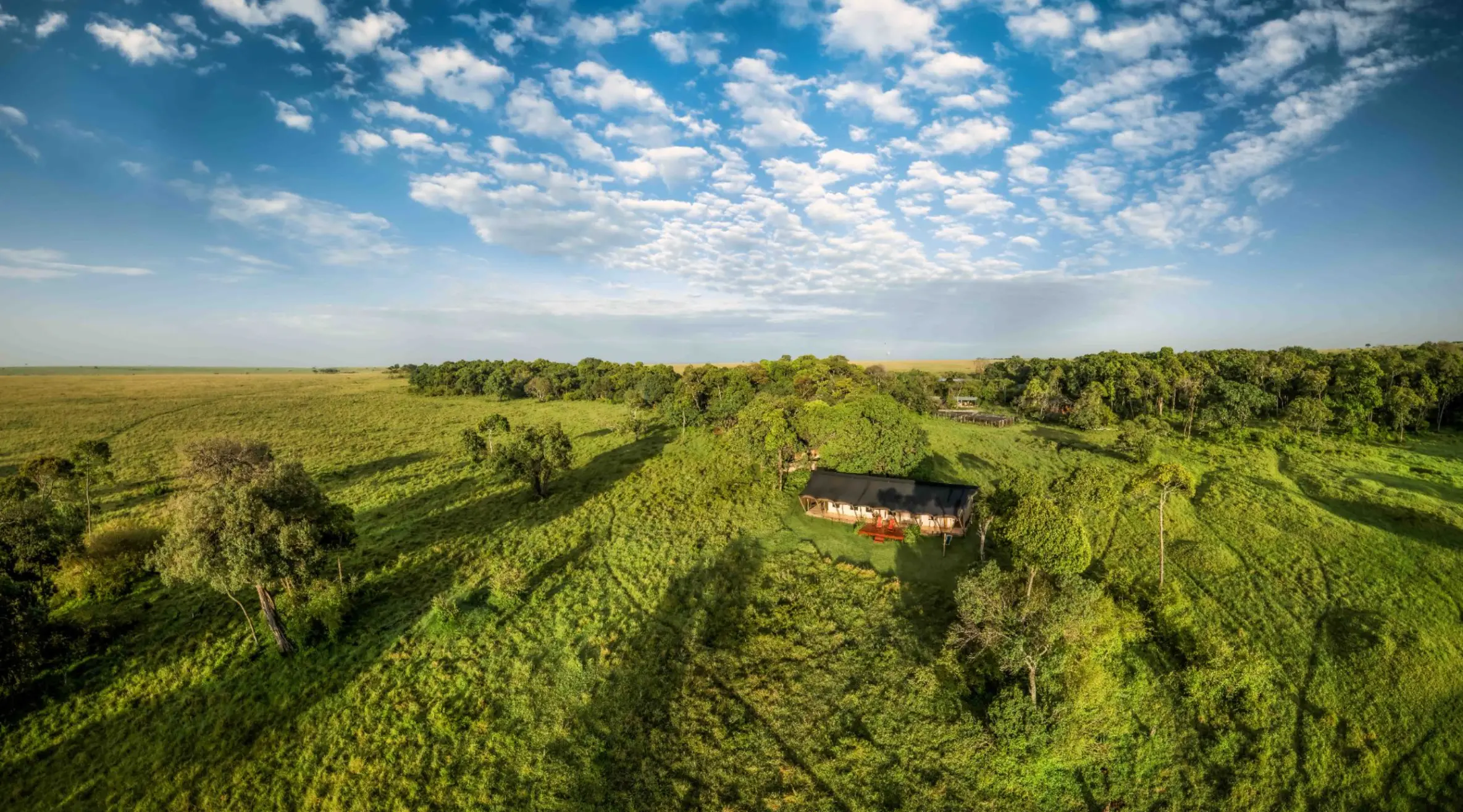
The Masai Mara is at its most dramatic from June to October, when the migration is present and game viewing across the reserve is at its peak. January and February offer a quieter, still-excellent alternative for travellers who would rather avoid the height of the season. Elewana Sand River Masai Mara and Elewana Elephant Pepper Camp each offer a distinct base within the ecosystem, from riverside crossing views to a private conservancy setting.
Amboseli
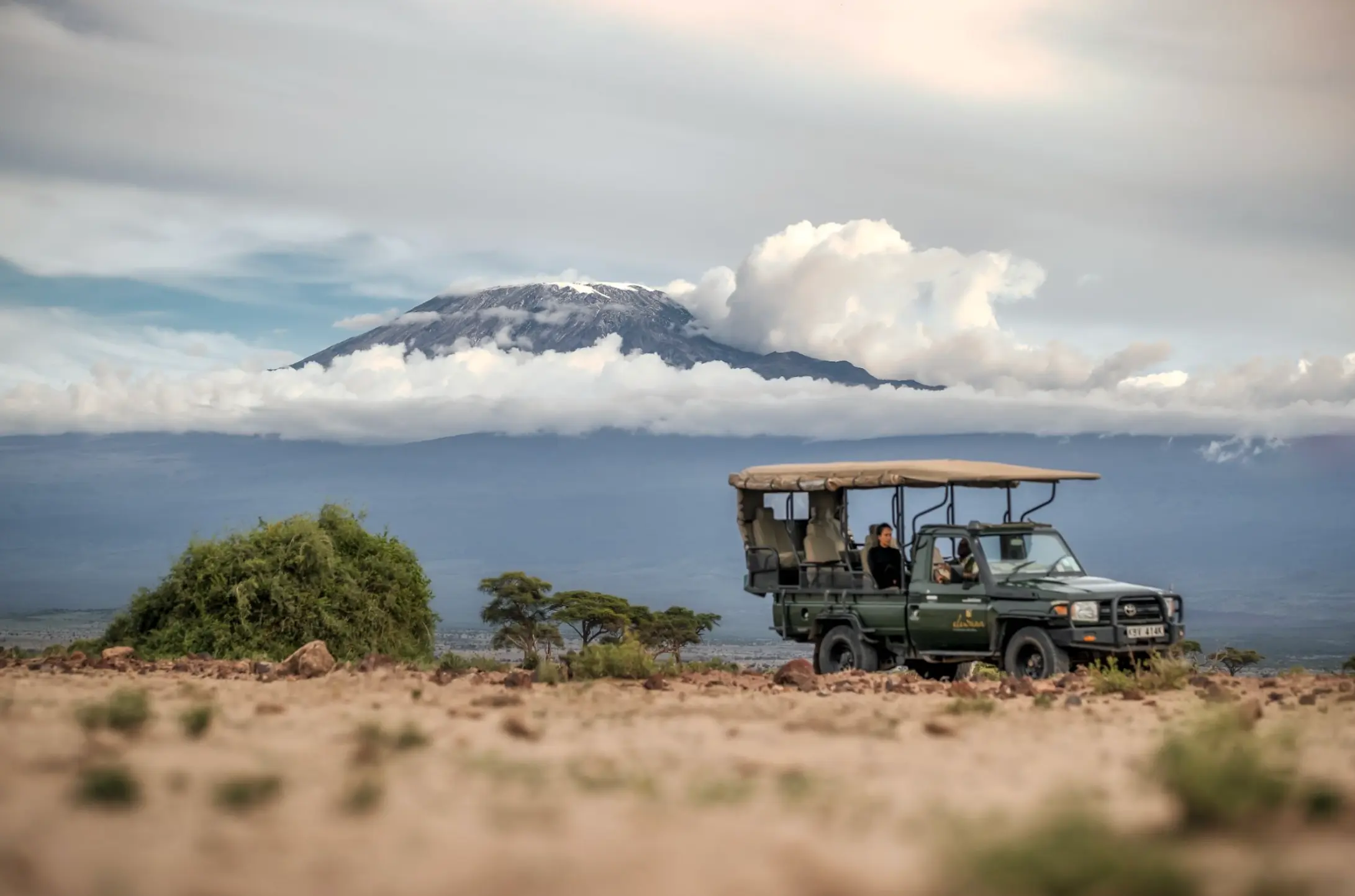
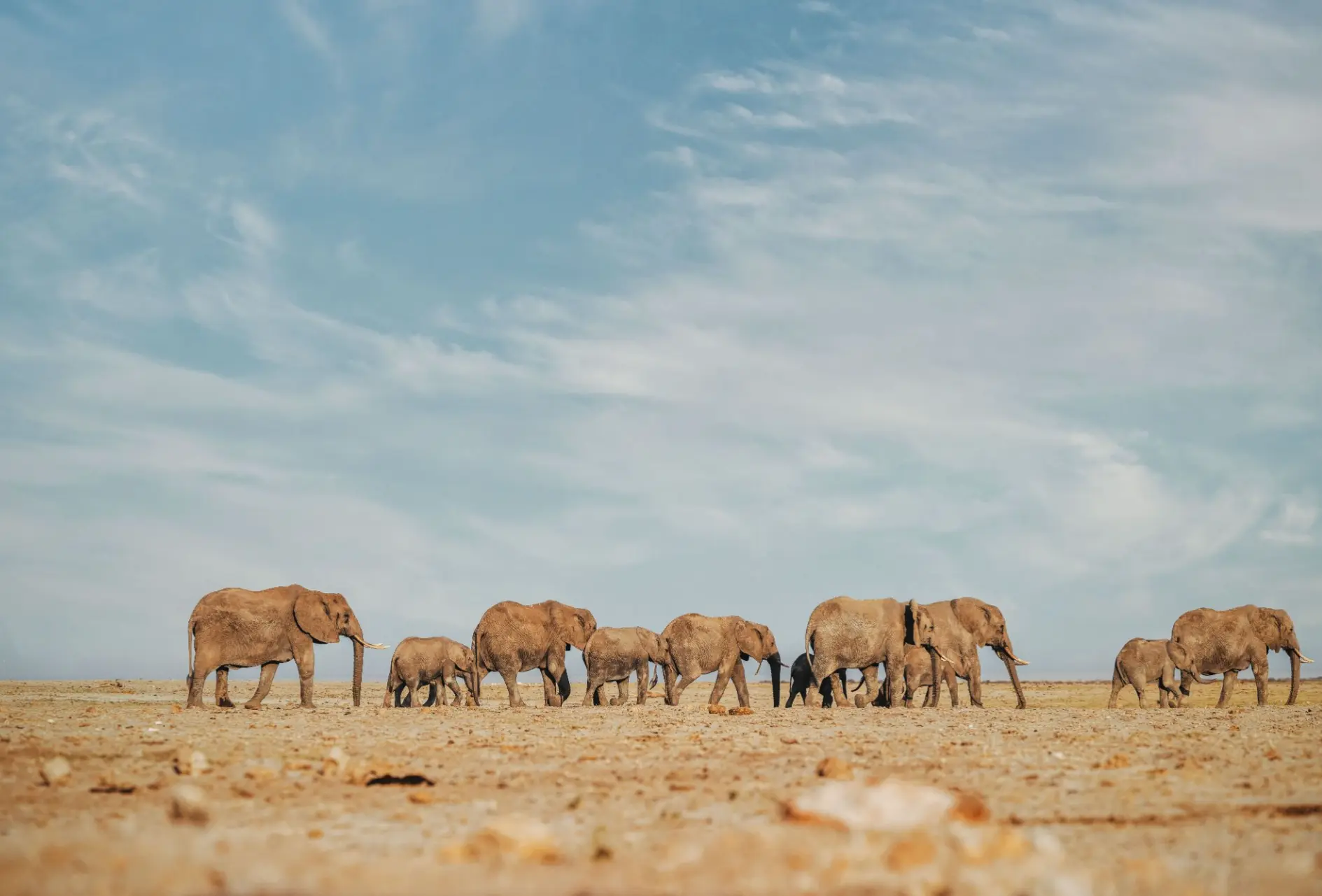
Amboseli National Park offers elephant viewing throughout the year, with the clearest views of Kilimanjaro during the dry months. June to October and January to February are the strongest windows for combining wildlife and mountain views in a single frame. Elewana Tortilis Camp Amboseli sits within reach of the park's open plains and elephant herds year-round.
Laikipia Plateau
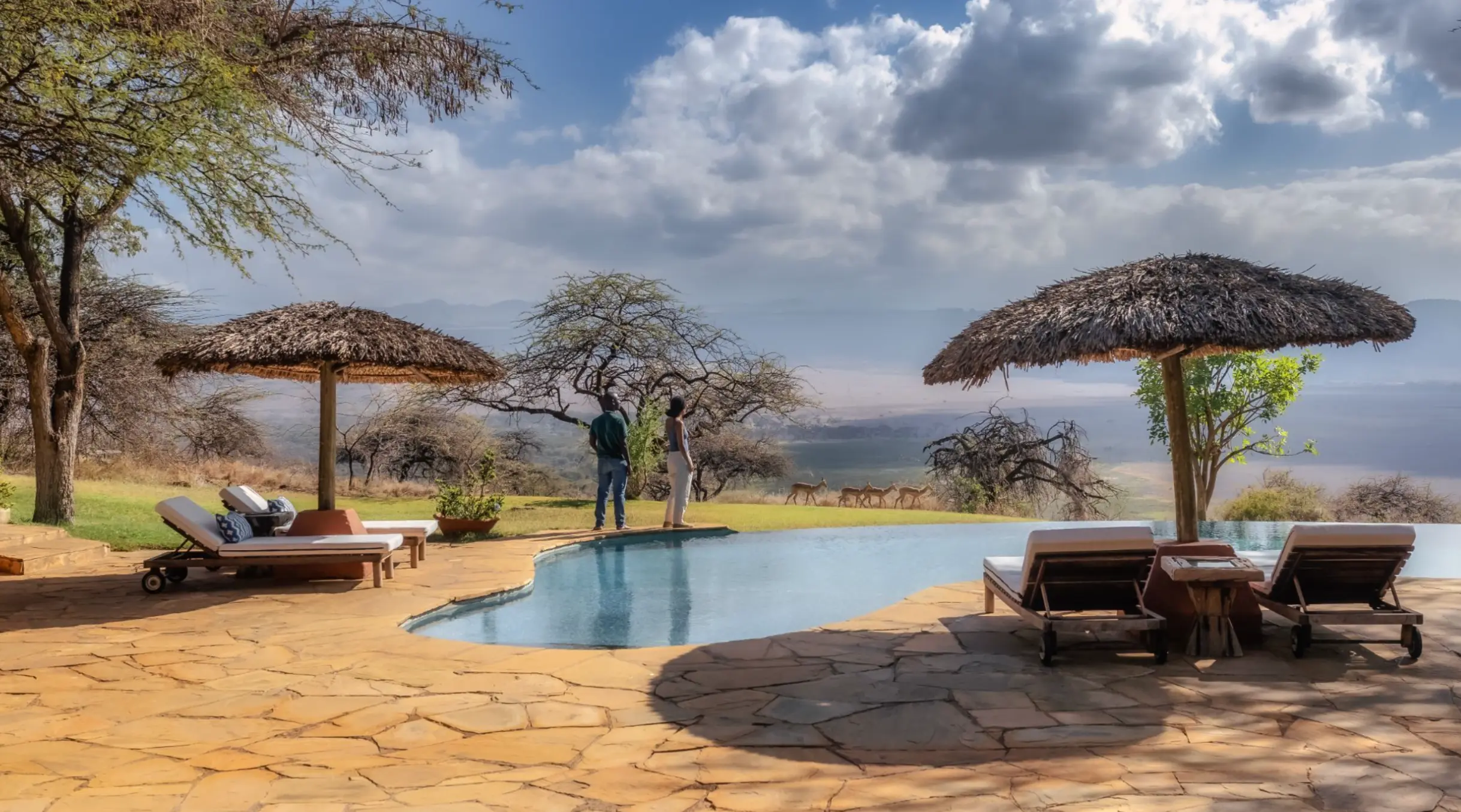
The Laikipia Plateau is a year-round conservancy destination, with more consistent game viewing than the migration circuits further south. It is a strong option for travellers visiting outside the dry-season peak, or looking to combine wildlife density with a genuine sense of space. Elewana's properties here include Elewana Kifaru House Lewa, Elewana Lewa Safari Camp, Elewana Loisaba Tented Camp, Elewana Loisaba Star Beds and Elewana Loisaba Lodo Springs.
Meru National Park
Meru is one of Kenya's quieter, less-visited parks, and the dry season remains the best time for both access and game viewing. It is a strong pick for travellers actively seeking to move beyond the Mara and Amboseli circuits. Elewana Elsa's Kopje Meru sits within the park, built into the hillside where Elsa the lioness of Born Free once roamed.
Best Time to Visit Kenya and Tanzania Together
The wildebeest migration moves in a continuous, roughly clockwise circuit through the Serengeti-Mara ecosystem, spending part of the year in Tanzania and part in Kenya. Combining both countries on a single circuit itinerary allows travellers to follow more of this movement than a single-country trip would allow, and extends the window in which a migration sighting is realistically possible.
- The migration is generally in Tanzania's southern and central Serengeti from around December to June, before crossing into Kenya's Masai Mara from July through October.
- A circuit itinerary (typically flying between parks via light aircraft) captures more of the migration's journey and reduces the risk of arriving in the wrong location for a particular week.
- Routing usually connects Nairobi or the Mara with northern Tanzania via short scheduled or chartered flights, avoiding lengthy road transfers between the two ecosystems.
For a full breakdown of Tanzania's own seasonal rhythm, see our guide to the best time to visit Tanzania.
When to Visit Kenya for Fewer Crowds and Lower Rates
The green season, November, and again from March to May, brings genuine value to a Kenya safari, without any real compromise on wildlife. Rates typically fall, camps feel more personal, and the plains turn a vivid green that dry-season visitors rarely see.
- Lower rates across most camps, particularly during the long rains in April and May
- Newborn wildlife and migratory birdlife throughout the green season
- Lush, photogenic scenery and dramatic skies, especially during afternoon storms
- The Laikipia Plateau and Amboseli's rain shadow both stay comparatively drier than the Masai Mara even during the rains, making them useful green-season alternatives
- Some roads can turn slippery during the heaviest rains, particularly in April; light-aircraft transfers between camps reduce this as a concern
Kenya's Weather and Wildlife by the Numbers
Kenya's dry season (June to October) typically brings daytime temperatures in the Masai Mara of around 25°C, dropping to roughly 10–13°C overnight, with minimal rainfall. The long rains, by contrast, are the wettest period of the year, with April seeing the heaviest and most sustained showers before conditions ease through May. Annual rainfall across the Mara averages around 1,000 to 1,400 millimetres, depending on location within the reserve, according to the Kenya Meteorological Department.
The wildebeest migration itself involves extraordinary numbers: researchers and conservation bodies studying the Serengeti-Mara ecosystem estimate the herds at well over a million wildebeest, joined by several hundred thousand zebra and gazelle, moving in a continuous circuit of roughly 800 kilometres each year. For further details on the ecosystem and its management, see the Kenya Wildlife Service.
Frequently Asked Questions About the Best Time to Visit Kenya
When is the best time to visit Kenya?
The best time to visit Kenya is during the dry season, from June to October, when wildlife concentrates around water and the Masai Mara migration is at its peak. January and February offer a strong, quieter alternative for travellers who prefer a more personal pace.
When is the dry season in Kenya?
Kenya's main dry season runs from June to October, with a shorter, secondary dry spell in January and February.
Is it cheaper to visit Kenya in the low season?
Yes. Rates are generally lower during the green season, November, and again from March to May, although a small number of camps reduce availability or pause operations briefly during the heaviest rains.
What is the best time to visit Kenya and Tanzania together?
Timing a combined Kenya-Tanzania circuit depends on where the wildebeest migration is at the time of travel. Visiting Tanzania's Serengeti between December and June and Kenya's Masai Mara between July and October captures the fullest picture of the migration's annual journey.
Which is the best month to visit Kenya?
September is often regarded as one of Kenya's best all-round safari months: the weather is dry and mild, the wildebeest migration remains in the Masai Mara, and conditions are ideal for game drives across the reserve.
Timing Your Journey
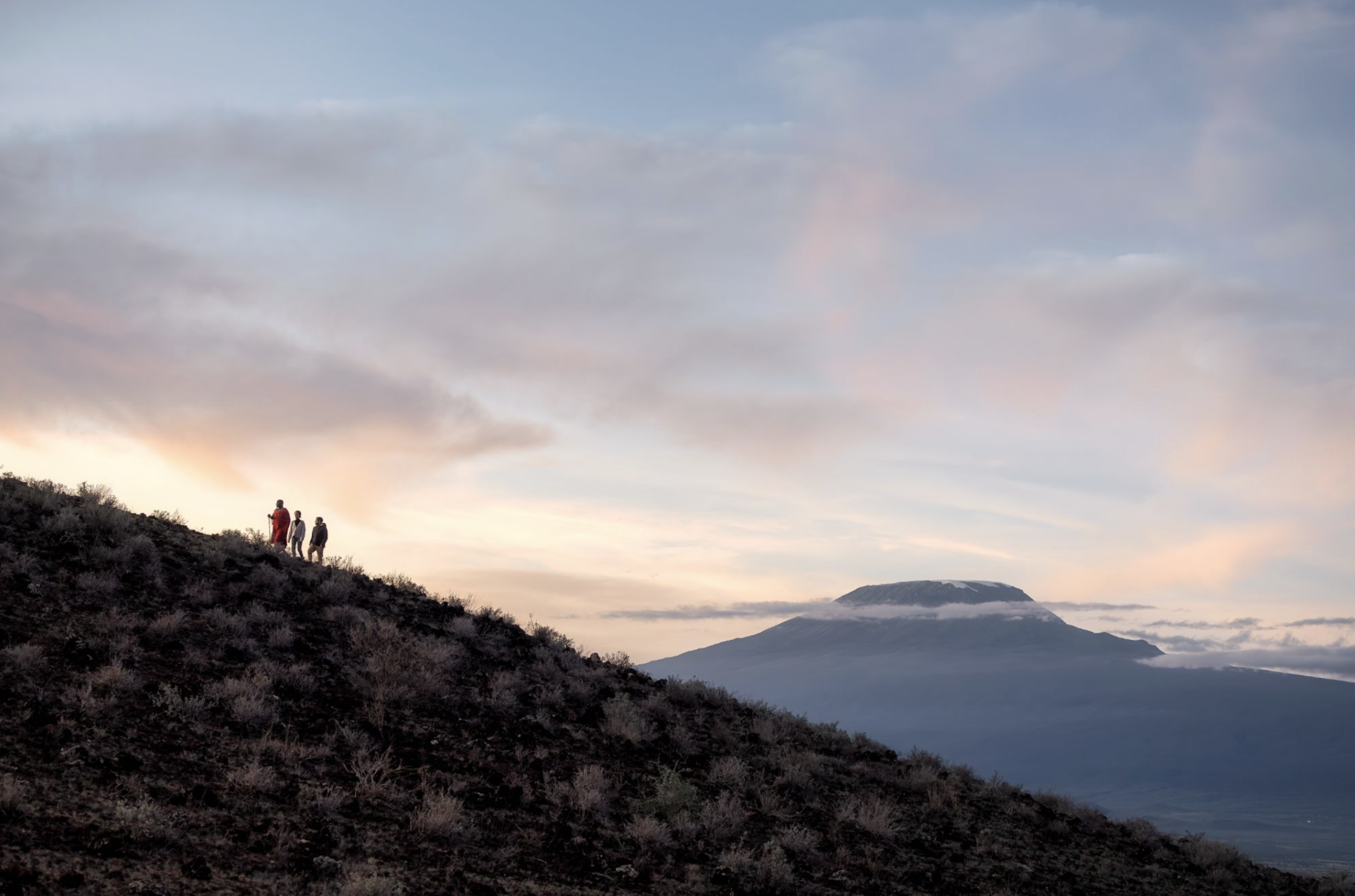
There is no single "best" time to visit Kenya, only the right time for what you're hoping to experience. Travellers chasing the drama of the migration should aim for July to October; those seeking value, birdlife and newborn wildlife will find the green season richly rewarding; and anyone drawn to the Laikipia Plateau's year-round game viewing can travel with far less regard for the calendar at all. Whatever the priority, timing a Kenya safari well often means thinking beyond a single park, and for many travellers, that means considering a circuit that extends into Tanzania. Speak with the Elewana team to plan a circuit itinerary built around the season and the sightings that matter most to you.
