
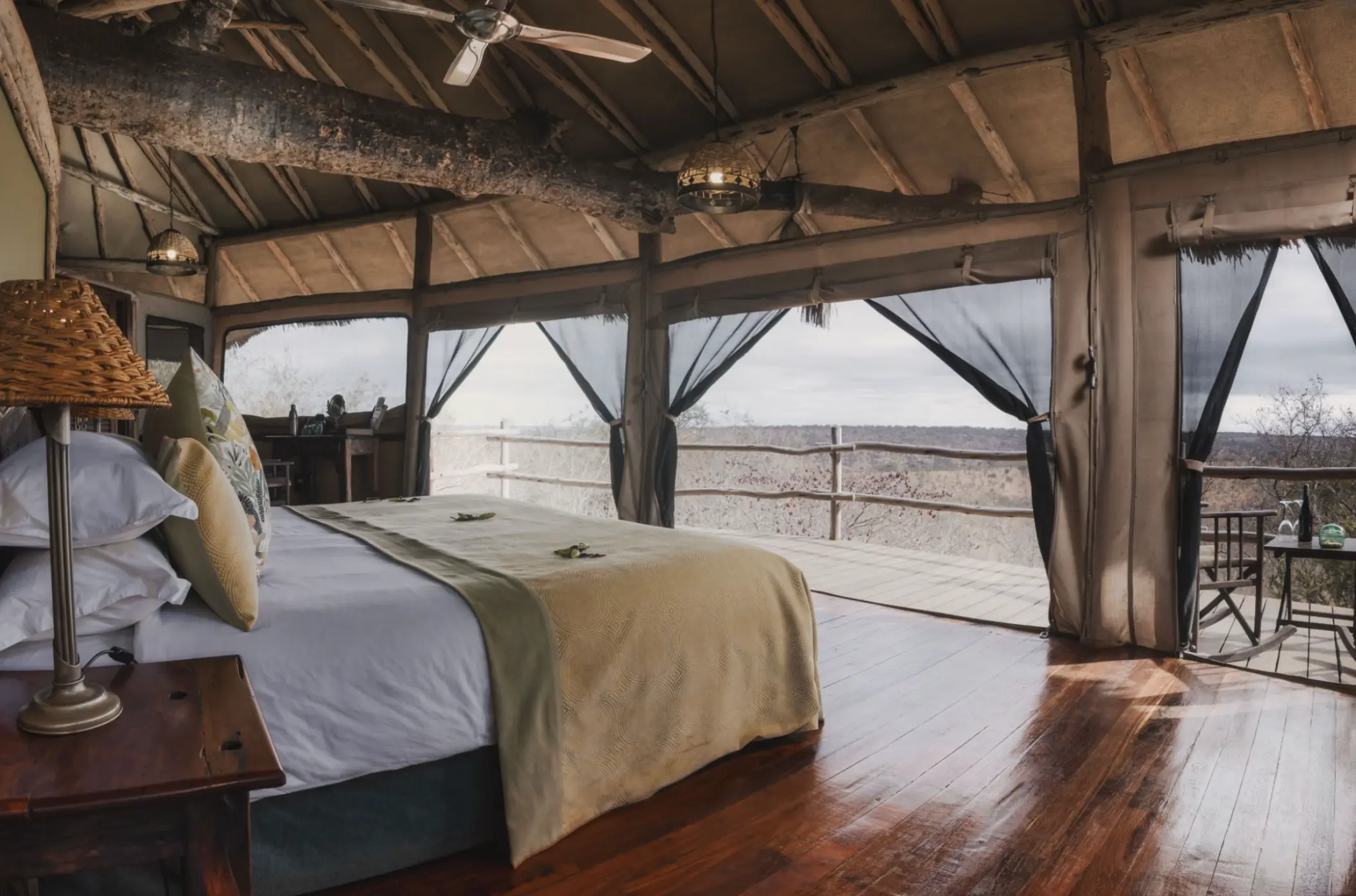
Key Takeaways
- The best time to visit Tanzania for safari is the dry season, June to October, when wildlife concentrates around water and the Great Migration reaches the northern Serengeti and Mara River.
- January to March is calving season in the southern Serengeti, a superb window for predator action and a quieter alternative to peak season.
- April and May are the quietest, lowest-rate months, though a small number of camps in wetter areas reduce availability.
- Timing shifts by region: Ngorongoro Crater offers excellent game viewing year-round, while Tarangire and the Serengeti's northern reaches are far more seasonal.
- Pairing Tanzania with a Zanzibar beach stay, or with Kenya on a single circuit, extends the ideal travel window and lets you follow the migration further.
When Should You Visit Tanzania?
The best time to visit Tanzania for safari is the dry season, from June to October, when wildlife gathers around limited water sources and the Great Migration reaches the northern Serengeti and the Mara River. The calving season, from January to March, offers a strong secondary window: warm, largely dry conditions and outstanding predator action in the southern Serengeti. Beyond these two peaks, the right time to travel depends on priority and region: chasing the migration, watching calving season unfold, or securing a quieter, lower-rate trip. The sections below unpack each, region by region and month by month.
Tanzania's Seasons at a Glance: Dry Season vs Green Season
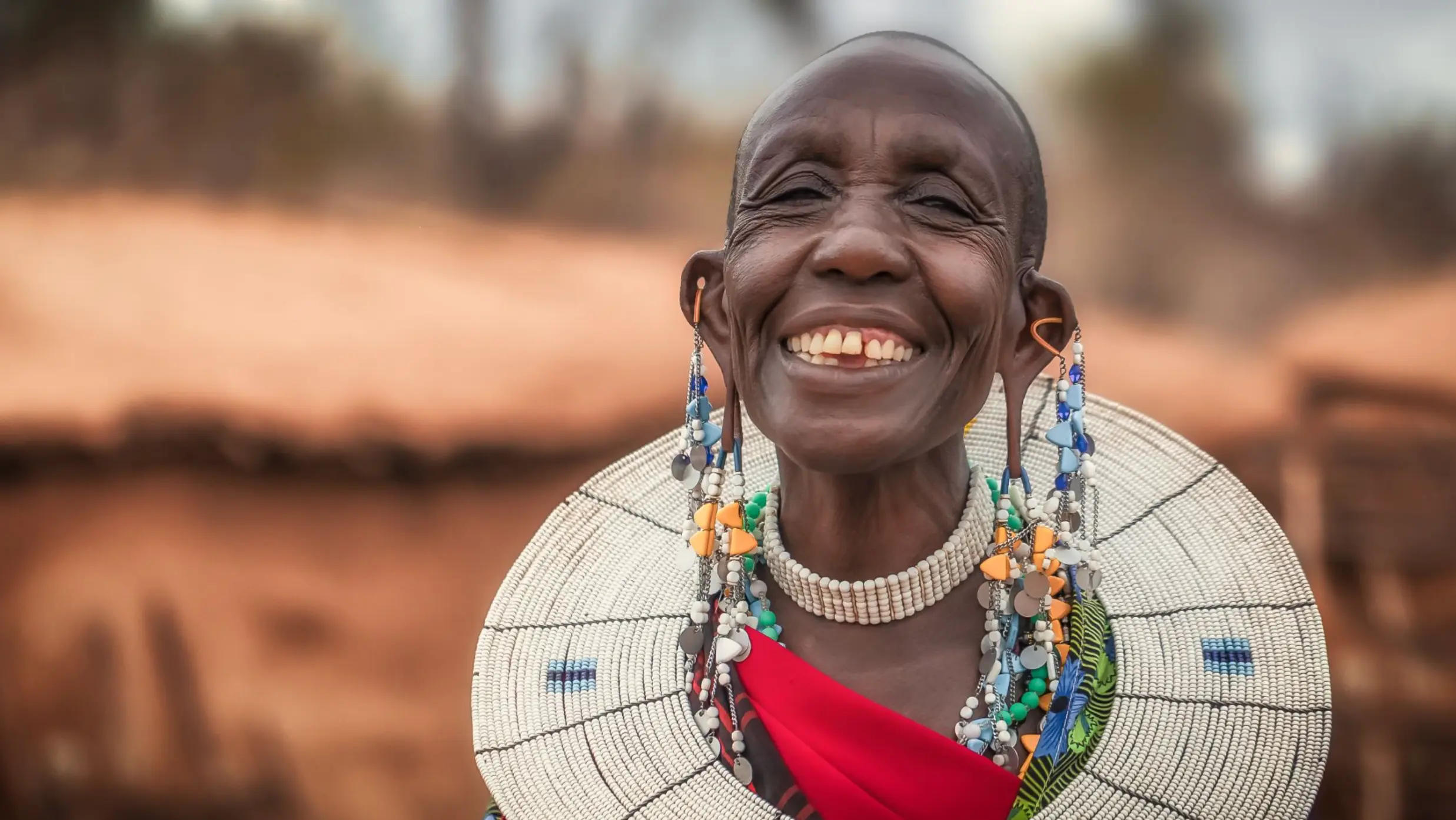
Tanzania's climate divides into a long dry season from June to October and a green season made up of two distinct rainy periods: the short rains in November and December, and the longer, heavier rains from April to May. Understanding this split matters, since the short and long rains behave quite differently on the ground.
|
Season |
Months |
Weather |
Game Viewing |
Best For |
|---|---|---|---|---|
|
Dry Season |
June – October |
Little to no rainfall; cool mornings, especially in the highlands |
Peak game viewing; migration reaches the northern Serengeti and Mara River |
First-time safari-goers: the Mara River crossings |
|
Calving Season |
January – March |
Warm, mostly dry with occasional short showers |
Excellent predator action in the southern Serengeti as calves are born |
Travellers prioritising big-cat activity over the Mara crossings |
|
Long Rains |
April – May |
Heaviest, most sustained rainfall of the year |
Some camps in wetter areas close; wildlife still present but harder to access |
Lowest rates and quietest parks |
|
Short Rains |
November – December |
Brief, mostly afternoon showers |
Good year-round viewing continues in Ngorongoro and the northern parks |
Birdwatchers; travellers wanting green scenery without the long rains |
Tanzania Month by Month
January marks the start of calving season in the southern Serengeti. Weather is hot and mostly dry, with excellent predator action as calves are born in large numbers.
February is the peak calving month, with huge herds concentrated around Ndutu and the southern Serengeti. Hot and dry conditions make it one of the best months for big-cat sightings.
March is generally when the rainfall begins to increase, particularly in northern TanzaniaThe herds begin moving north, parks feel quieter, and rates ease, though thickening vegetation makes some game viewing a little more work.
April is the peak of the long rains and the wettest month of the year. Some camps in wetter areas close briefly, and the landscape turns at its most lush and green.
May sees the rains ease towards the end of the month, as the migration crosses into the western corridor. This brings excellent value and noticeably quieter parks.
June marks the start of the dry season. The migration reaches the Grumeti River, temperatures are comfortable, and game viewing improves rapidly.
July sees the migration reach the northern Serengeti as dry-season high season begins in earnest, with clear skies and cooler mornings.
August brings the start of the Mara River crossings. This is peak dry season and one of the busiest months in the northern parks, so early booking matters.
September sees the river crossings continue, with dry, clear skies making this a superb month for both hot-air ballooning and game drives.
October marks the start of the migration's move south again. Game viewing remains excellent, with the short rains approaching later in the month.
November sees the short rains begin, typically as brief afternoon showers. Parks feel quieter, and birdwatching improves as migratory species arrive.
December sees the herds return to the southern plains ahead of calving season, a good all-round month, with festive-season visitors returning towards the end.
Best Time to Visit Tanzania for the Great Migration
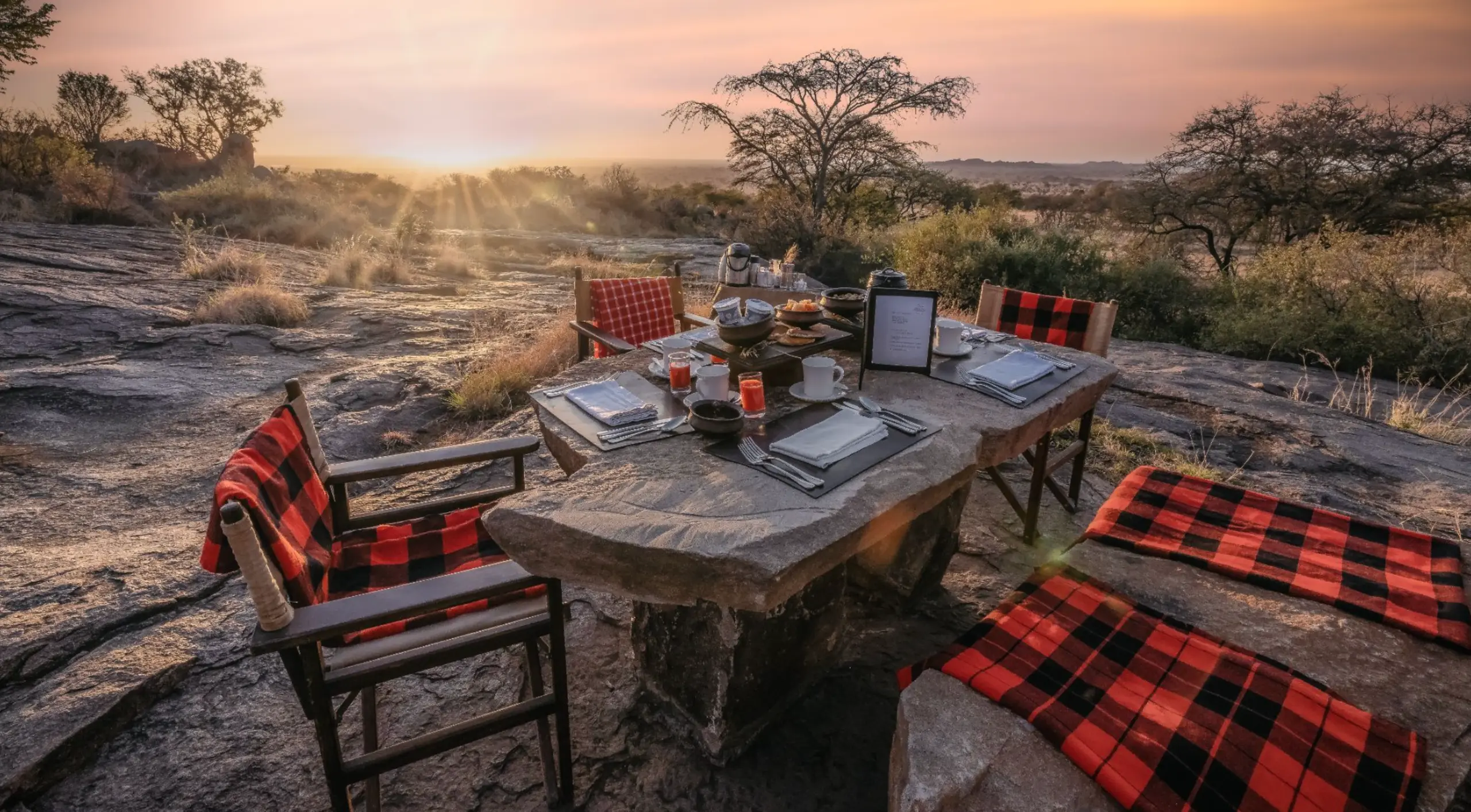
The Great Migration follows a continuous, roughly clockwise circuit through the Serengeti ecosystem. Calving takes place in the southern Serengeti from January to March, before the herds move north through the western corridor from around April to June, crossing the Grumeti River along the way. By July, the migration reaches the northern Serengeti, where the dramatic Mara River crossings typically run from July through October, before the herds turn south again to complete the cycle.
- Calving season (January–March): thousands of wildebeest calves are born daily across the southern plains near Ndutu, drawing significant predator activity
- Western corridor movement (April–June): the herds move north, crossing the Grumeti River
- Mara River crossings (July–October): the migration's most dramatic phase, as herds cross into and out of Kenya's Masai Mara
- Return south (November–December): the herds move back through the eastern Serengeti towards the southern plains, ready to calve again
Location within the Serengeti matters as much as timing. Elewana Serengeti Pioneer Camp sits in the south-central Serengeti near the Moru Kopjes, placing it firmly within the calving season action from January to March.
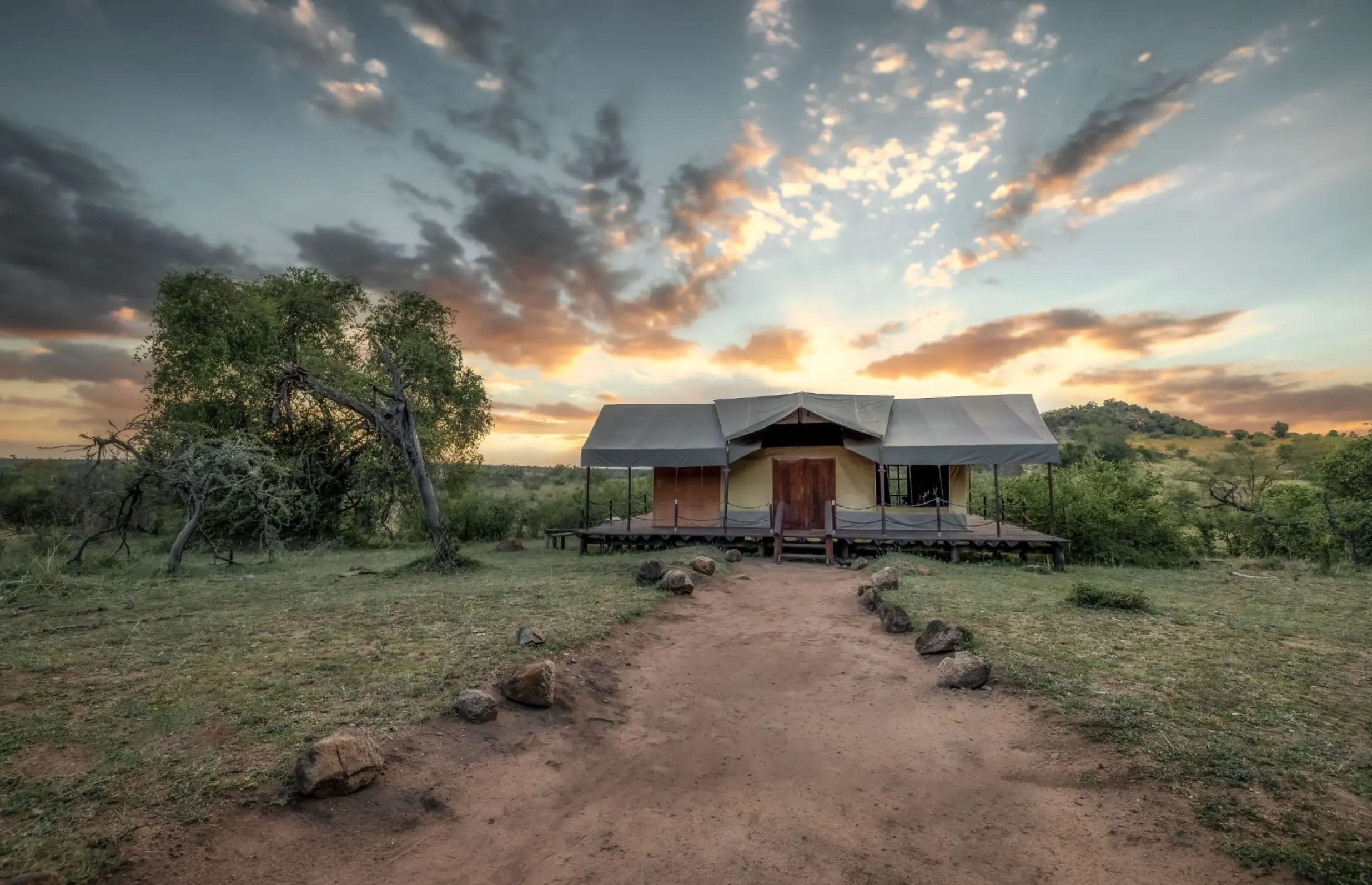
Elewana Serengeti Migration Camp, set on the Grumeti River in the northern Serengeti, is better positioned for the western corridor's Grumeti crossings and sits within reach of the Mara River crossings later in the dry season.
Best Time to Visit Tanzania's Top Safari Regions
Ngorongoro Crater
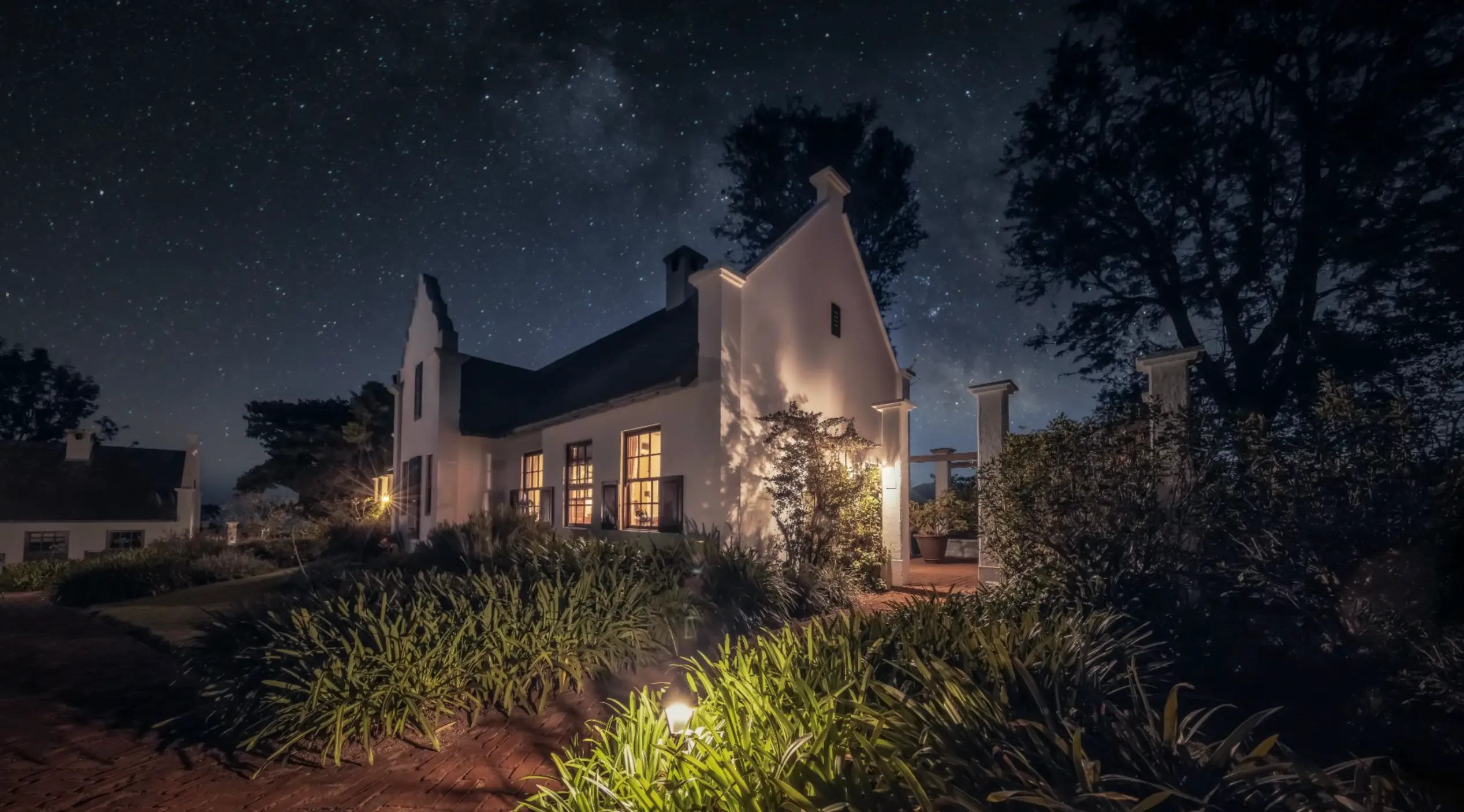
The Ngorongoro Crater offers excellent game viewing year-round, making it one of the few areas where timing matters less than elsewhere: a useful recommendation for travellers visiting outside the dry season. Elewana The Manor at Ngorongoro sits close to the crater rim, well placed for descents onto the crater floor at any time of year.
Tarangire
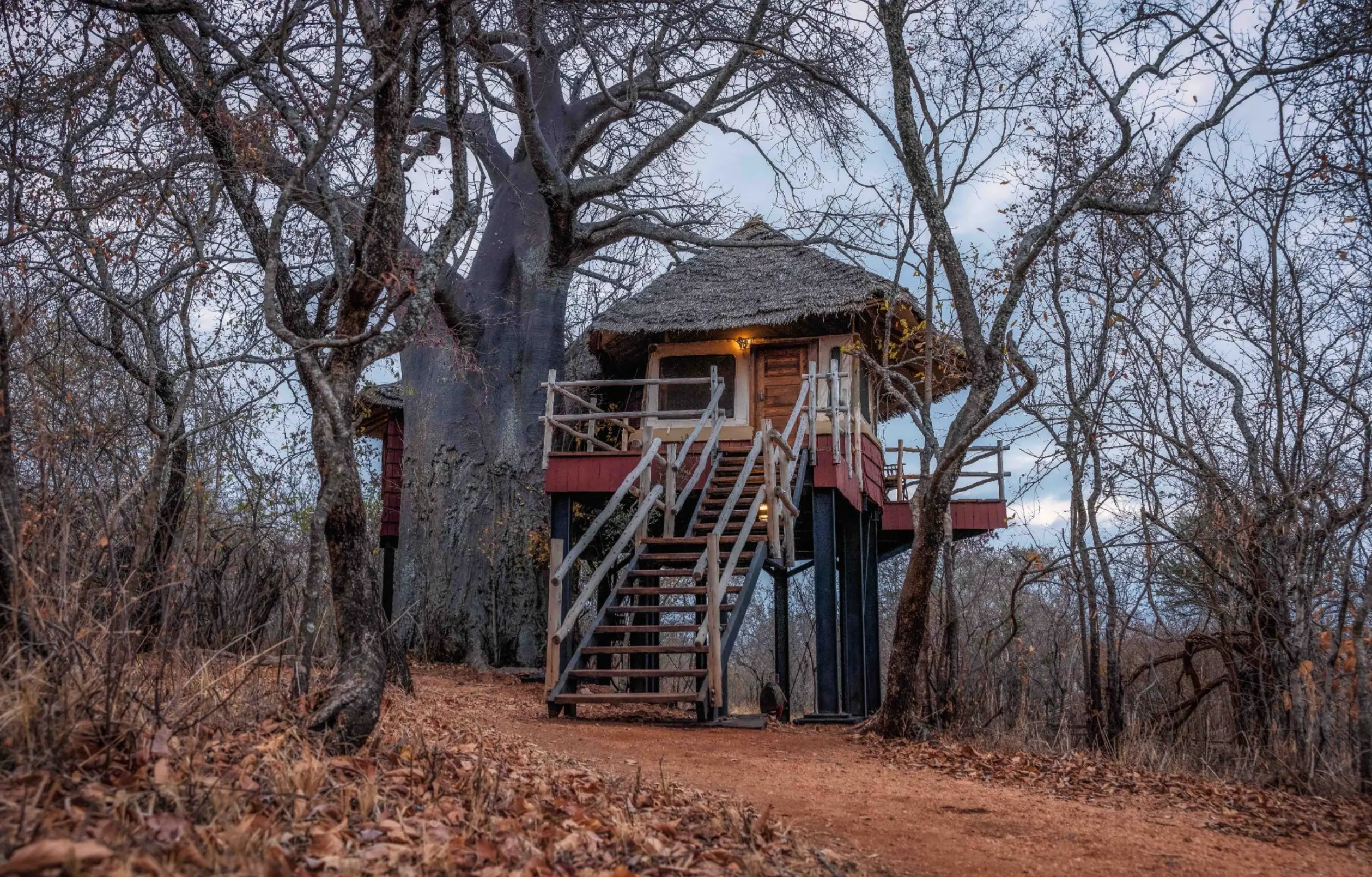
Tarangire is at its best in the dry season, from June to October, when elephant herds concentrate along the Tarangire River. The rains bring quieter, greener conditions, with wildlife more dispersed across the park. Elewana Tarangire Treetops overlooks the park's elephant-filled plains.
Arusha
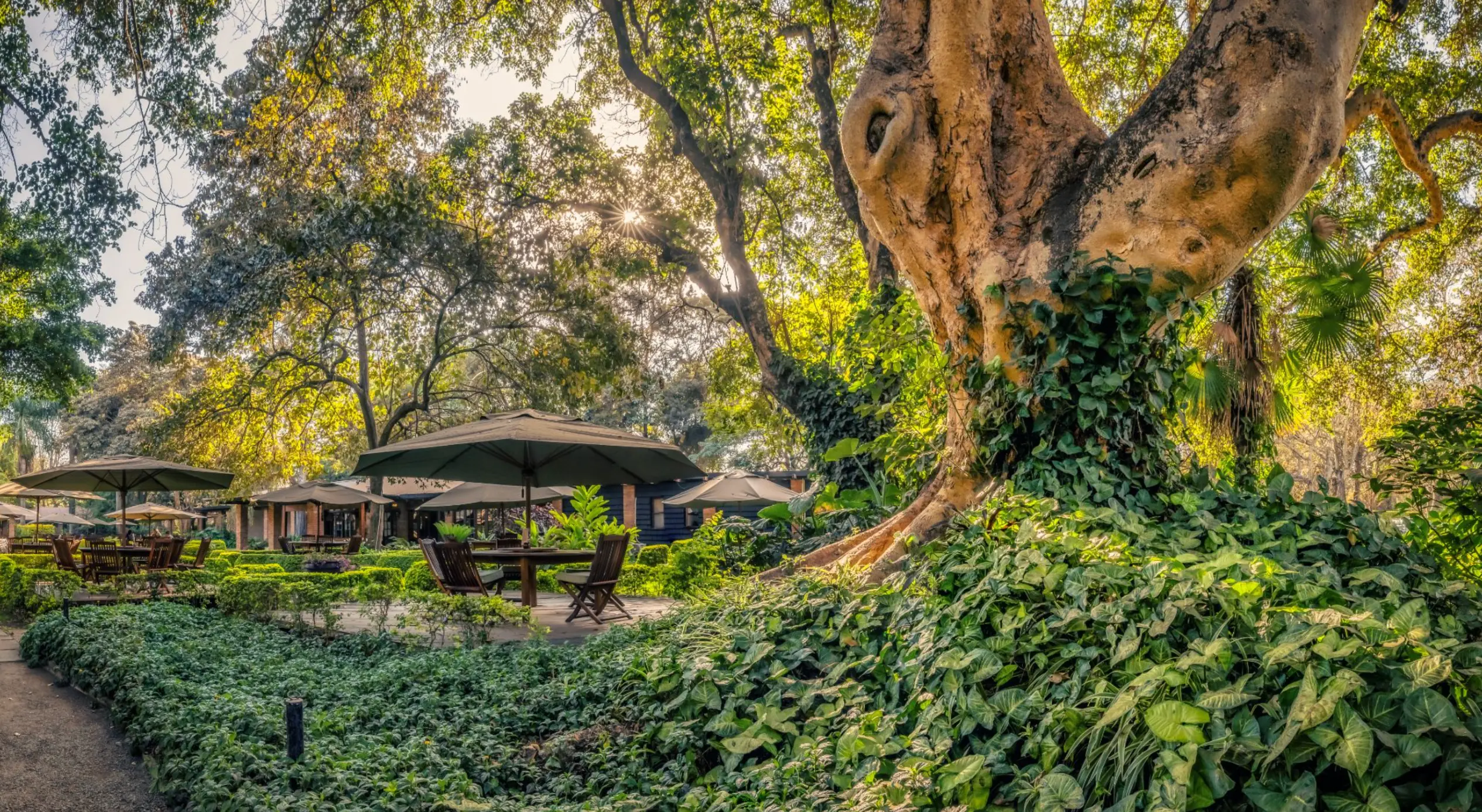
Arusha functions as the gateway to Tanzania's northern circuit rather than a wildlife-viewing destination in its own right, making it a good, largely season-independent stopover at either end of an itinerary. Elewana Arusha Coffee Lodge sits on a working coffee estate close to Kilimanjaro International Airport.
Serengeti
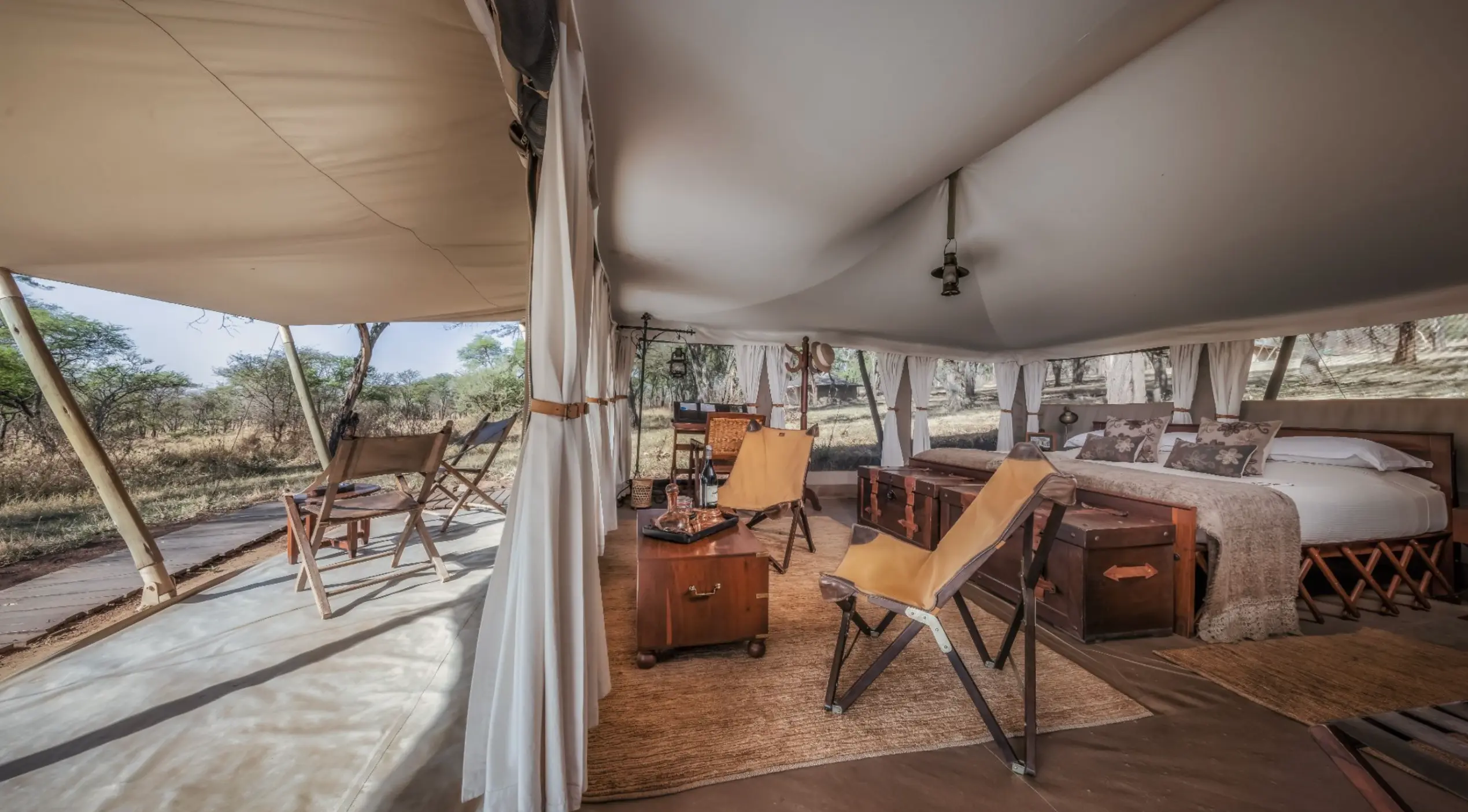
The Serengeti's timing follows the migration's own calendar, outlined above: calving in the south from January to March, western corridor movement from April to June, and the Mara River crossings in the north from July to October. Elewana Serengeti Pioneer Camp and Elewana Serengeti Migration Camp each suit a different phase of that calendar, as set out above.
Best Time to Visit Tanzania and Kenya Together
The Great Migration crosses freely between Tanzania's Serengeti and Kenya's Masai Mara, and a combined circuit itinerary captures more of this movement than a single-country trip. Travellers can time a Tanzania-first itinerary around calving season and the western corridor, then continue into Kenya as the herds reach the Mara River from July onwards, or reverse the order, depending on when they are travelling. For the Kenya side of this planning, see our guide to the best time to visit Kenya.
Best Time to Visit Tanzania and Zanzibar Together
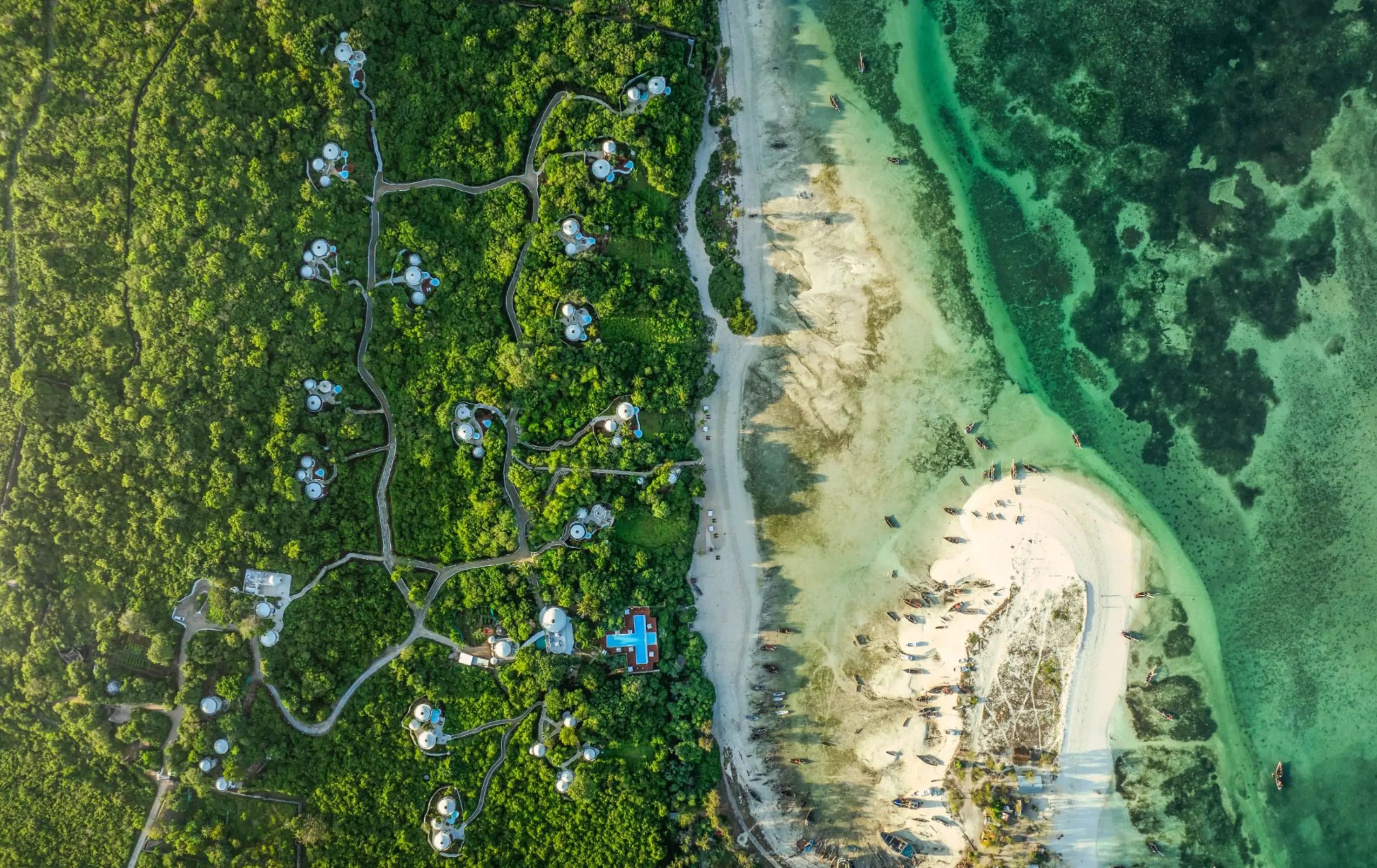
Pairing a Tanzania safari with a Zanzibar beach extension works well across most of the year, though Zanzibar's coastal climate runs on a slightly different rhythm to the mainland parks, with its own monsoon-driven wet season.
- The dry-season months of June to October, and the short window of January to February, suit both a mainland safari and a Zanzibar beach stay equally well
- Zanzibar's climate is shaped more by coastal humidity and monsoon timing than the mainland's savanna rain patterns, so it is worth checking conditions for each leg separately rather than assuming they match
- Most travellers do the safari first and the beach second, using Zanzibar as a way to unwind after the early starts and long days of a safari itinerary
When to Visit Tanzania for Fewer Crowds and Lower Rates
April and May, at the heart of the long rains, bring Tanzania's lowest rates and quietest parks, genuinely good value for travellers happy to work around the weather.
- Lower rates across most camps during April and May
- Ngorongoro Crater remains reliably accessible even through the rains, thanks to its all-weather roads and year-round game viewing
- Some camps in wetter, lower-lying areas of the Serengeti may pause operations briefly during the heaviest rains
- Road and airstrip access can be affected in the wettest weeks; light-aircraft transfers between camps reduce this as a practical concern
Tanzania's Weather and Wildlife by the Numbers
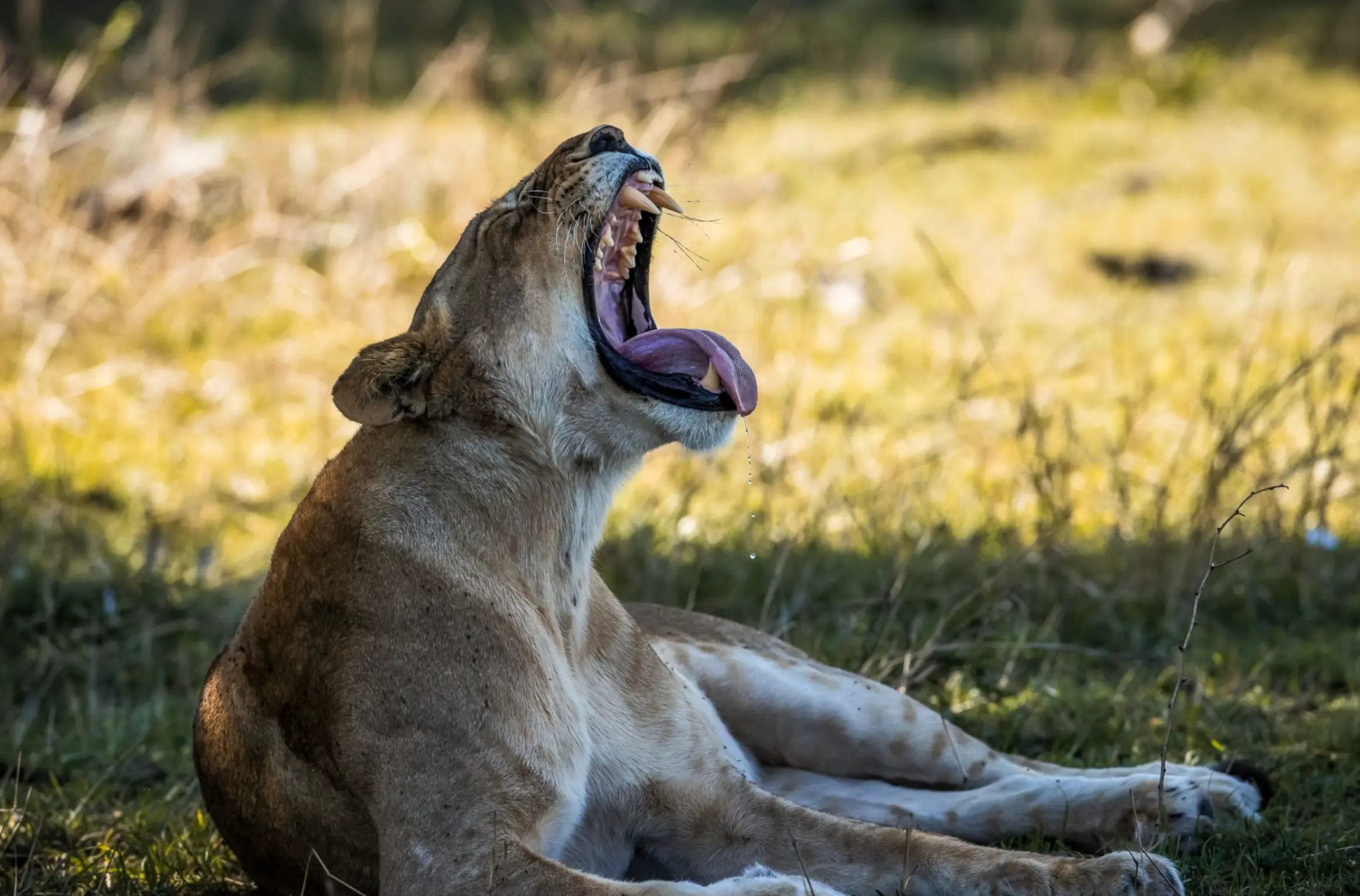
Temperatures across the Serengeti and Ngorongoro highlands typically range from daytime highs around 25–28°C during the dry season to slightly warmer conditions of 28–33°C during the calving-season months of January and February. Rainfall varies significantly by region: the arid southeastern plains receive as little as 400 millimetres a year, while the wetter northwest, near the Kenyan border, can see up to 1,200 millimetres, according to the Tanzania Meteorological Authority. July is typically the driest month of the year, while April brings the heaviest rainfall.
The Great Migration itself involves well over a million wildebeest, alongside several hundred thousand zebra and gazelle, moving in a continuous circuit of around 800 kilometres each year through the Serengeti-Mara ecosystem. For further details on the ecosystem's management and conservation, see the Ngorongoro Conservation Area Authority.
Frequently Asked Questions About the Best Time to Visit Tanzania
When is the best time to visit Tanzania?
The best time to visit Tanzania is during the dry season, from June to October, when wildlife concentrates around water and the Great Migration reaches the northern Serengeti. The calving season, from January to March, offers a strong alternative for travellers prioritising predator action over the Mara River crossings.
When is the Great Migration in Tanzania?
The migration follows a continuous circuit: calving in the southern Serengeti from January to March, movement through the western corridor from April to June, and the Mara River crossings in the north from July to October, before the herds return south from November to December.
When is the dry season in Tanzania?
Tanzania's dry season runs from June to October.
Is it better to visit Tanzania and Zanzibar together?
Combining a Tanzania safari with a Zanzibar beach stay works well for most travellers, letting them follow an active safari with time to unwind on the coast. The dry-season months of June to October and the short window of January to February suit both legs of the trip particularly well.
What months are best for safari in Tanzania?
The best time to visit Tanzania for a safari is during the dry season, from late June to October.
What is the hottest month in Tanzania?
February is typically the hottest month in Tanzania, often accompanied by high humidity, with daytime temperatures frequently reaching the high twenties to low thirties Celsius across most of the country.
Finding Your Ideal Safari Window
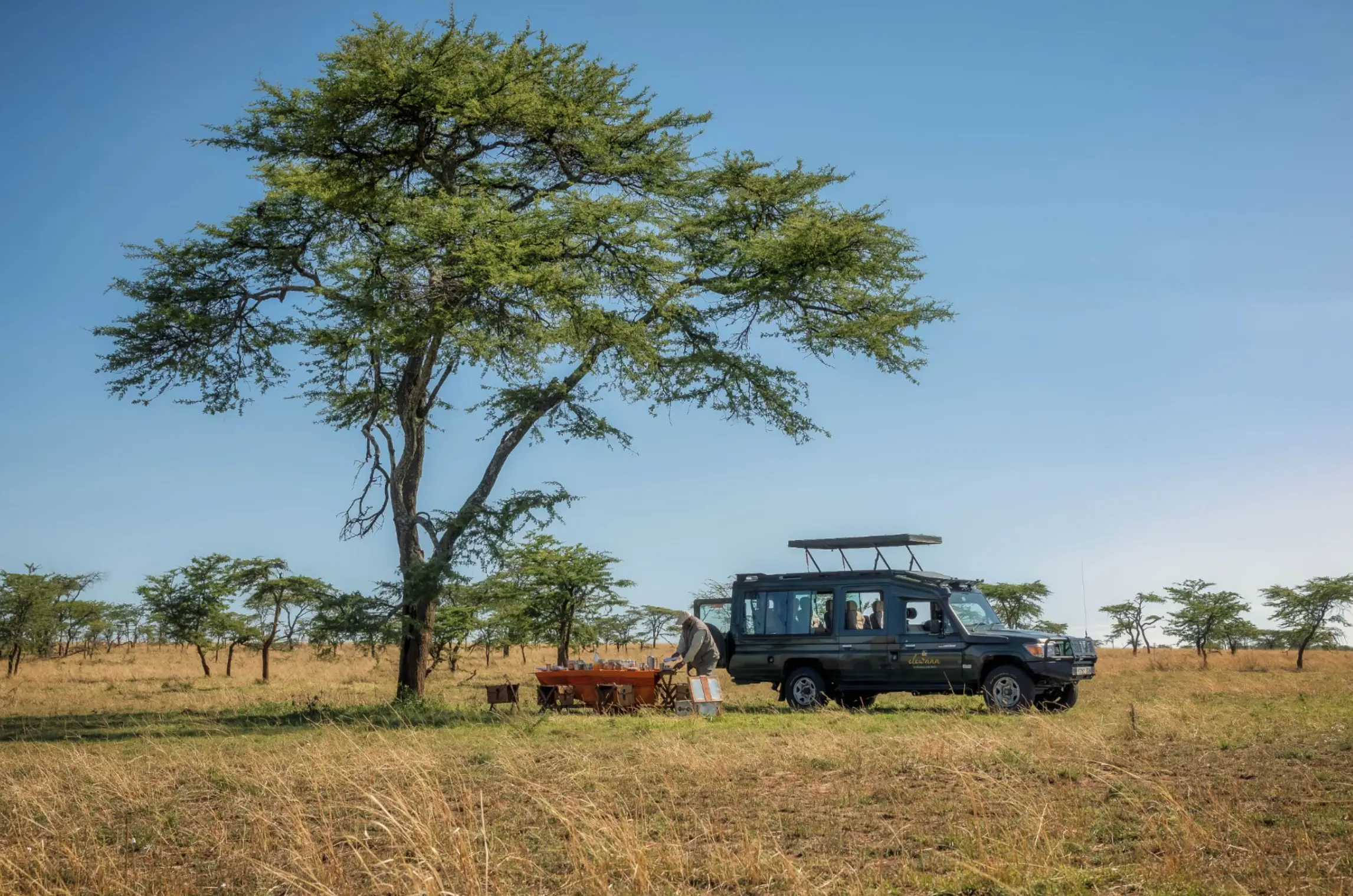
Timing a Tanzania safari well comes down to priorities: the drama of the Mara River crossings, the intensity of calving season, the value of a quiet green-season trip, or the reliable, year-round game viewing of the Ngorongoro Crater. Many of the richest itineraries don't stop at Tanzania's borders either: pairing a Serengeti safari with Kenya's Masai Mara, or with a Zanzibar beach stay, often makes for a more complete journey than either destination offers alone. Speak with the Elewana team to plan a circuit itinerary built around the season and the sightings that matter most to you.
