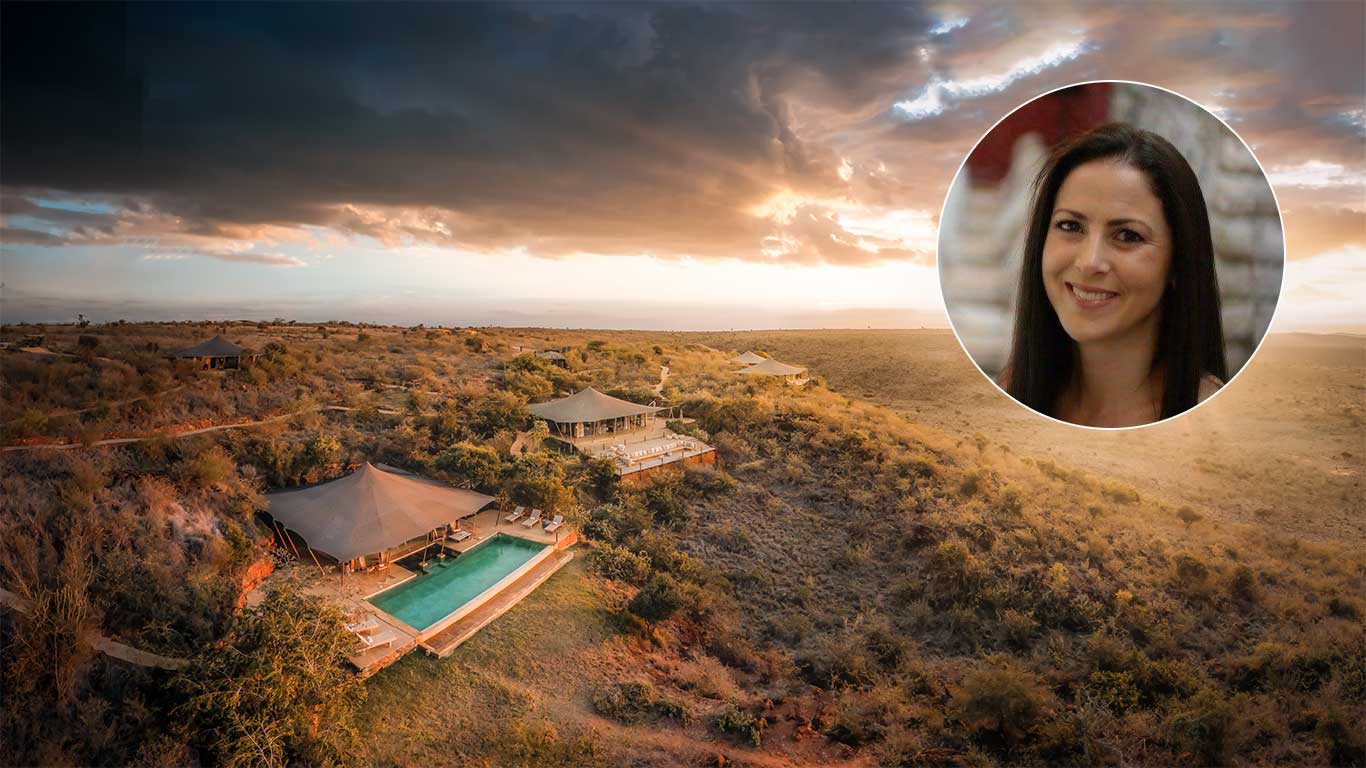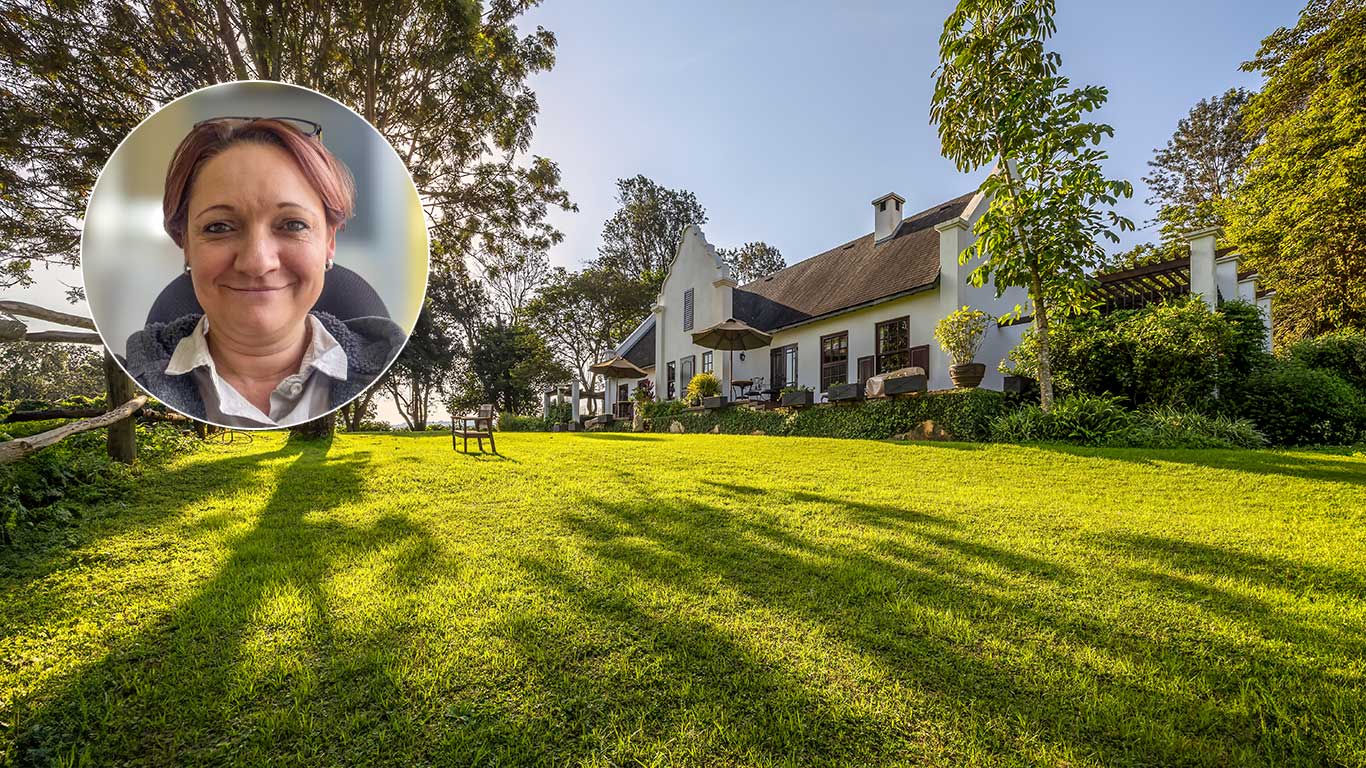
Winnie van der Watt, Group Training & Development Manager, shares more about the focus of Elewana’s training and development which will centre on embedding learning more intentionally into daily operations.
What are the main training and development priorities for 2026?
Building on the strong foundations laid in 2024 and 2025, our focus in 2026 is on deepening capability and confidence across our teams in a way that is practical, consistent, and sustainable. Over the past two years, we concentrated on strengthening technical skill, professional presence, and guest care through focused departmental training. This year, we are embedding learning more intentionally into daily operations, strengthening leadership ownership, and ensuring training translates into consistent behaviours on the ground. The priority is not simply delivering training, but ensuring it becomes part of how we work, lead, and serve every day.
Are there any new programmes or initiatives you’re particularly excited to roll out this year?
In 2026, we are evolving our Learning & Capability Development approach to more clearly connect technical excellence, leadership growth, and personal development. Building on the success of our in-person workshops and the Lobster Ink platform, we are introducing more structured coaching pathways and clearer development journeys for team members and Heads of Department. What is most exciting is how these initiatives support long-term growth, encourage ownership, and create consistency across properties while still respecting each location’s unique context.
What do you hope team members will gain from these training initiatives?
One of the strongest outcomes from 2025 was a noticeable increase in confidence across teams, particularly in guest-facing departments. In 2026, we want to build on that momentum by ensuring team members feel empowered, capable, and proud of the role they play in the overall guest experience. Our aim is for individuals to understand not only what is expected of them, but why it matters. When people feel confident, supported, and trusted, they are better able to deliver thoughtful, personal, and consistent service.
How do you keep training programmes engaging and relevant across such a diverse collection of properties and teams?
Our approach is to maintain clear group standards while allowing flexibility in how training is applied on property. Elewana’s diversity is one of its greatest strengths, and our training reflects that. We combine structured learning through platforms like Lobster Ink with hands-on coaching, mentoring, and real-life scenarios that teams encounter in their day-to-day work. This blended approach ensures training remains practical, engaging, and relevant, while providing equal access to development opportunities across all properties in Kenya and Tanzania.
How do you balance practical, on-the-job training with longer-term personal and professional development?
We see on-the-job training and long-term development as naturally connected. Practical training builds immediate confidence and competence, while longer-term development focuses on leadership, communication, and personal growth. In 2026, we are strengthening this balance by ensuring formal training is consistently reinforced through coaching and mentorship on property. This allows learning to be applied in real time, while also supporting individuals as they grow beyond their current roles.
Are there any success stories from 2025 that are helping to shape how you're organising training & development this year and in the future?
Yes, very much so. Several 2025 initiatives have directly influenced how we are shaping training in 2026. The impact of our Spa training sessions was particularly encouraging, with therapists reporting increased confidence, stronger technical skills, and greater ease in engaging with guests.
In the Kitchen, training led by Wesley Petersen & Amie McNeice (Group Training & Development Chefs) resulted in thoughtful menu developments and enhancements, strengthening culinary consistency while allowing chefs to express creativity and elevate presentation and flavour across properties.
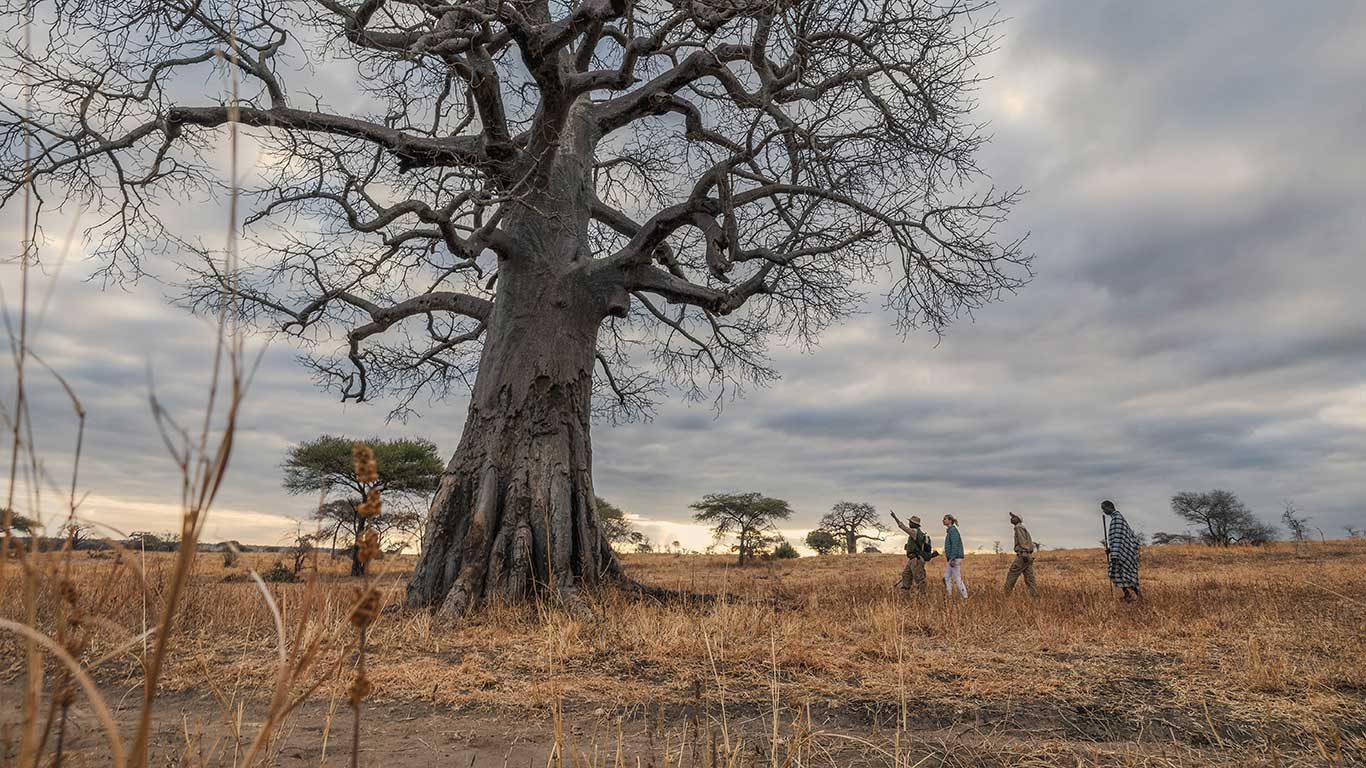
Guide training facilitated by Wesley Cragg (Group Guide Training Manager) and Hamza Visram (Head Guide & Group Guide Training - Tanzania) also had a strong impact, reinforcing technical guiding skills, storytelling, and guest engagement, while building confidence and consistency in how experiences are delivered in the field.
Alongside this, strong engagement with Lobster Ink highlighted the value of accessible, consistent learning across the collection. Collectively, these successes reinforced the importance of leadership involvement, follow-up, and ongoing coaching, and they have directly informed how we are structuring training in 2026 to ensure learning is sustained, applied, and meaningful.
As Winnie shares,
“Our focus for 2026 is not simply on delivering training, but on embedding learning into how we work, lead, and serve every day. When teams feel confident, supported, and trusted, they naturally deliver thoughtful, consistent experiences. By strengthening capability through practical training, coaching, and shared ownership, we ensure development is sustained on the ground and reflected in every guest interaction.”